Man and van in Chase Cross

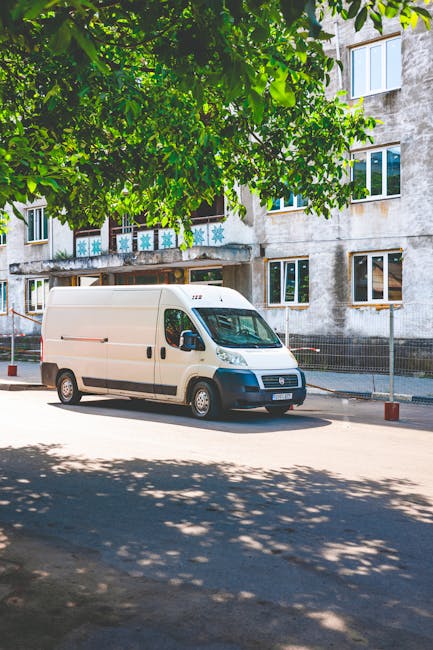
Our man and van in Chase Cross service is set up for practical local moving work that needs a smaller, flexible vehicle and careful handling rather than a full-scale removal operation. It suits furniture, boxed belongings, single items, part-loads and straightforward room-to-room moves when you want transport, loading help and sensible planning in one place. The emphasis is on keeping the job clear, organised and manageable from the first enquiry through to delivery.
We support customers who need help with home moves, furniture pick-up, student moves, bulky purchases, local deliveries and light clearance work, depending on what needs to be moved and where it is going. If your job also needs packing support, our packing and unpacking services can be discussed alongside the move so that the right level of help is arranged in advance. That makes it easier to match the vehicle, labour and timing to the work.
For a quotation, it helps to note what is moving, how much access there is at each end and whether any items need extra care because of size, weight or finish. You do not need to write a full inventory, but clear information makes it easier to shape the visit and avoid wasted effort. If you are comparing options, ask about vehicle size, lifting support and collection windows so the service is matched to the task.
Home moves and part-load transport
Home moves are often the core use for a man and van service, especially when the load is too large for a car but too modest for a full removals team. We can move furniture, boxes, white goods and mixed household contents with a practical approach that keeps each item secure in transit. This is useful for flats, shared houses, first homes and partial moves where the customer wants hands-on help rather than a large crew.
Our home moves and house movers pages describe the domestic side of the work in more detail, while the wider removal services page covers the broader support available across different move types. Where a household move involves a smaller load, a single van and one well-planned run can be a straightforward way to keep the work efficient. It can also reduce the amount of handling compared with multiple ad hoc trips.
Part-load transport is useful when you are not moving an entire property. It can cover a sofa bought locally, a few large boxes leaving storage, or a set of items going to a relative or another address. In these cases, the main decisions are usually what should travel together, whether any pieces need wrapping, and whether the route can be arranged to fit around access at both ends. Clear loading order matters because the most fragile or awkward pieces should be loaded with enough protection and space.
Furniture and single-item collections

Furniture moves often call for more than just transport, because large pieces are awkward to carry, vulnerable to knocks and sometimes difficult to fit through tight hallways or stairwells. A man and van arrangement can be a sensible choice for beds, wardrobes, tables, desks, cabinets and similar items when the work needs steady handling rather than speed alone. We can also help with one-off collections from shops, private sellers or storage units.
Where the load includes a new purchase or a second-hand item, the key question is whether the item is already assembled, boxed or in loose parts. That affects how it is lifted, protected and positioned in the van. It is also worth thinking about whether blankets, straps or covering materials may be useful for protecting finishes, especially on polished wood, glass or painted surfaces. If you are arranging more than one piece, grouping the route carefully can save time and reduce backtracking.
You can use the furniture pick-up page for more on single-item and small-load collection work, and the moving van page for a closer look at vehicle-based transport options. If the job needs a different set-up from a simple collection, the wider choice of services lets you decide whether the move is best handled as a quick pick-up, a part-load delivery or a fuller domestic removal. The right setup depends on the item, access and distance.
Packing, lifting and careful handling
Many customers know what needs to move but want support with the handling rather than the planning alone. That is where packing and lifting become important. Boxes should be stacked in a way that keeps weight low and stable, while loose items need separation so they do not rub or crush each other during transit. When handled well, the load is easier to move, easier to place and less likely to shift on the journey.
Our packing and unpacking services page is useful if the job needs more than transport, while the house removalists and house removals pages give a broader view of domestic moving work. For many smaller moves, the benefit of using a man and van lies in combining loading help with a vehicle that is not oversized for the task. That can keep the move practical without making it feel overcomplicated.
When preparing for a move, the most useful details are often the simplest: which items are awkward to carry, whether stairs are involved, if parking is likely to be tight and whether anything needs to stay upright. If you are sending pictures or a short description, keep it focused on the objects and the access rather than long background notes. A brief message can be enough to shape a sensible plan and avoid guesswork.
Commercial and office removals

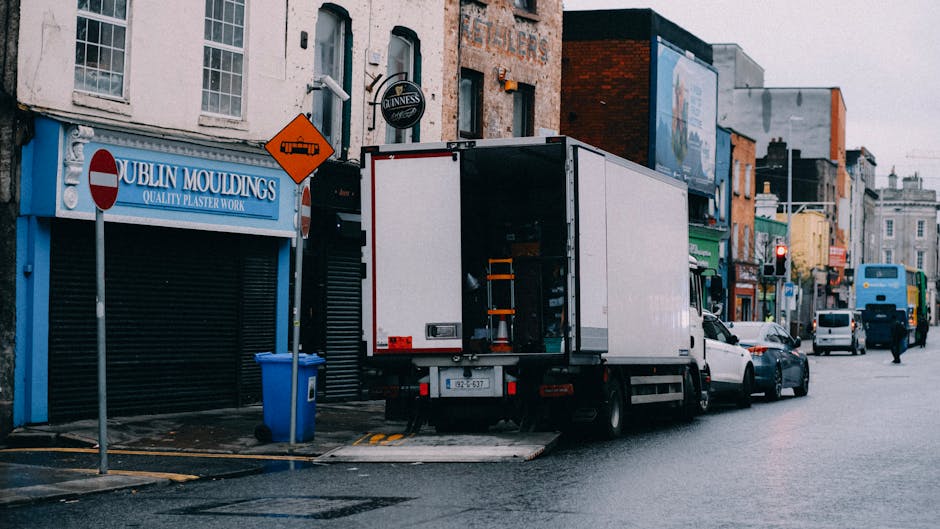
Man and van work is not limited to homes. Small commercial jobs often need the same careful loading approach, but with a tighter schedule and a clear view of what must be moved first. That may include office chairs, desks, files, storage units, displays or boxed equipment. A smaller move can often be completed with less disruption when the load is divided sensibly and the route is planned around the business day.
Our commercial moves and office removals pages cover this type of work, while the office relocation services page provides more detail for workplaces that need a coordinated shift between sites. The value of a van-based approach is often in its flexibility: it can suit a few essential items, a small office reconfiguration or a staged move where work has to continue around the relocation. It also helps when access is limited and a larger vehicle would be awkward.
For businesses, it is sensible to identify which items are essential, which can travel separately and which should be installed or placed first on arrival. Computer equipment, paperwork and display items may need different packing or positioning from desks and shelving. If the move is being timed around opening hours, a clear handover point can make the process easier to manage. You can request a quotation once you know the approximate load and the time window involved.
Vehicle choice, access and route planning
The practical advantage of a man and van service is often the ability to match the vehicle to the job instead of forcing the job to fit a larger removal setup. Smaller loads can be simpler to place, simpler to secure and simpler to deliver when the van size is chosen with the route and access in mind. That is especially useful where roads are narrow, parking is limited or the collection point is not straightforward.
Our removal van, removals van and moving truck pages reflect different transport formats that may suit different volumes and item types. In everyday terms, the choice is about whether you need a compact vehicle for easier access or a larger load space for a fuller move. The right decision depends on what is being carried, how it is loaded and whether a single trip is likely to be enough.
Access matters as much as volume. A short carry from the front door, a long walk from a car park or a property with tight stairs can all affect how the move is handled. The same applies at delivery, where the final approach may determine how quickly items can be unloaded and placed. Good planning reduces unnecessary lifting and keeps the work more orderly from start to finish.
Choosing the right removals support

Some customers need a straightforward van hire style move with loading help, while others need a broader removals service that covers more of the process. The right choice depends on the size of the load, the distance involved, the amount of packing needed and how much assistance you want with carrying. A clear service description makes it easier to compare options without paying for more than the job really needs.
Our man and van removals, man with a van and man with van pages are helpful if you want to compare closely related service terms and understand the main differences in how the move may be handled. The removal companies and removal company pages also provide broader context for customers who are deciding between a specialist van service and a wider removals provider. That makes it easier to decide what level of support is actually required.
If you are unsure which page best fits your move, focus on the type of load rather than the label. A few items for one address, a small flat move, a collection from storage or a workplace delivery can all point to different ways of organising the same basic transport task. A short enquiry that names the items, the locations and the timing usually gives enough information to guide the quotation process.
About Chase Cross
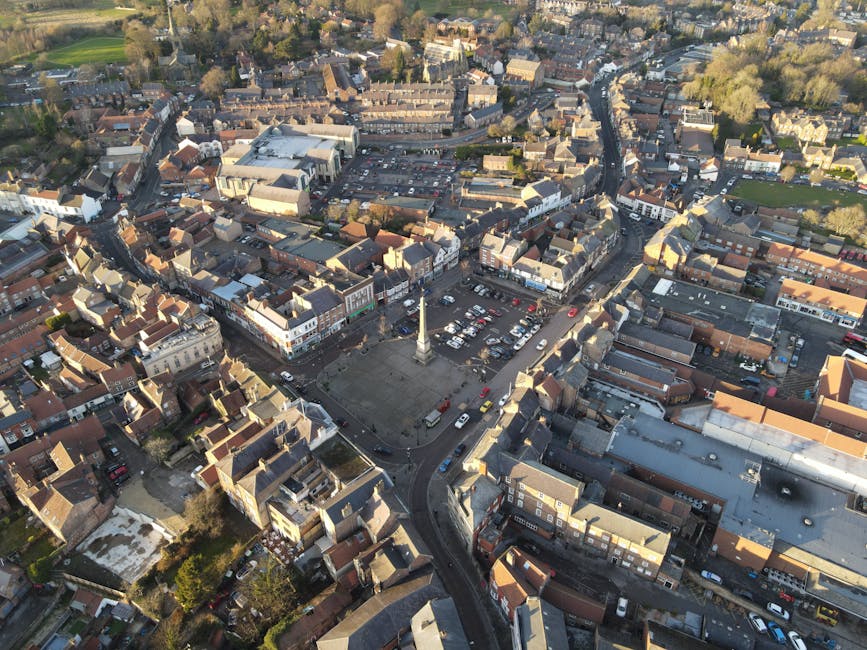
Chase Cross is an area in the London Borough of Havering, in east London, positioned within the wider Romford district and close to the edge of suburban development that spreads towards Collier Row and surrounding neighbourhoods. The name is associated with the historic toll gate and crossroads on the old route north from Romford, and the locality has long been shaped by that road network rather than by a single compact centre. Much of the present-day character is suburban, with interwar and post-war housing, local shops, schools and bus routes connecting residents to nearby parts of Havering and beyond. The area sits within a wider landscape that includes green corridors and open spaces associated with the borough, while nearby Romford provides a stronger commercial focus and rail connections. Chase Cross has no large civic core of its own, but it does have the everyday pattern typical of outer London districts: residential streets, neighbourhood services and roads that link to larger centres. Its setting reflects the gradual growth of London outward from historic villages and market towns, with older route structures still visible in the layout of the streets. For anyone reading a local page, the place is best understood as a residential pocket with connections to the surrounding borough, rather than as a separate town in its own right.
Quotations, timing and useful preparation
A good quotation is usually based on straightforward facts: what is being moved, where it is going, how much help is needed and whether there are any access issues. If the load contains mixed items, it helps to separate the bulky pieces from the boxes so the work can be estimated more accurately. That applies equally to domestic and commercial jobs, because the main cost factors are often labour, distance, time and handling difficulty rather than the label on the service.
Our pricing and quotes page is the best place to start if you want to understand how enquiries are handled, and the contact us page is there when you are ready to ask for a quotation. For a smoother response, a short list of the items, the pick-up point, the delivery point and any stairs or parking limits is usually enough. If the move has a preferred date or needs to work around fixed access times, mention that early so the plan can be considered properly.
It can also be helpful to think in terms of what must travel together and what could move separately. That way, the load can be organised around the items that matter most, and any special packing or lifting needs can be identified before the day itself. If you are planning ahead, a concise message is often better than a long explanation. Ask for a quotation when you are ready to compare the likely options.
Extra support, policies and service information

Some customers want to know how a move is handled beyond the transport itself. That may include payment information, policy details, safety arrangements or sustainability considerations. These supporting pages do not replace the moving service, but they can help you understand how the business works and what to expect when arrangements are made. For practical enquiries, they are a useful way to check background details before booking.
Our payment and security, insurance and safety, health and safety policy and recycling and sustainability pages cover the operational side of the business, while the about us and removals pages offer broader context. If you need to understand the terms before you proceed, it is sensible to read those pages alongside the service description so that the moving plan, payment approach and safety expectations are all clear in advance.
When you are ready, keep the enquiry focused and practical. A short note with the item list, collection and delivery details, and any access limitations is usually enough to start. If the move is straightforward, the next step may simply be to request a quotation and confirm the date that works best for you.