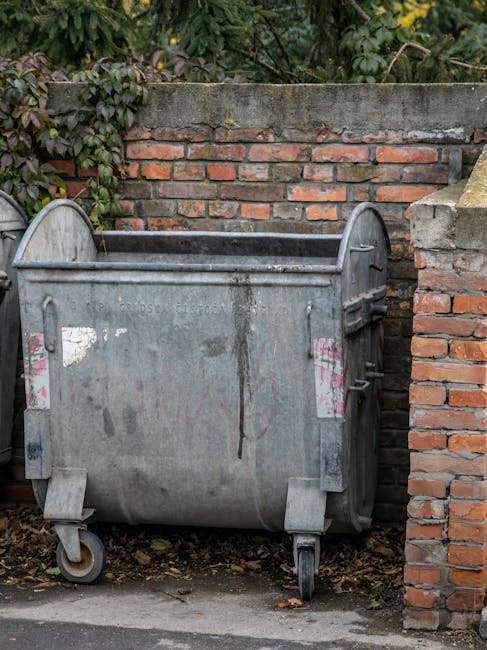
Avoid Bulky Waste Fines in Chase Cross: Disposal Options
Posted on 02/06/2026
Avoid Bulky Waste Fines in Chase Cross: Disposal Options That Actually Make Sense
If you have an old sofa by the door, a broken wardrobe in the hallway, or a mattress that simply will not fit in the car, bulky waste has a way of becoming urgent fast. And if you are trying to avoid bulky waste fines in Chase Cross, the good news is that there are sensible disposal options that can keep you safe, compliant, and far less stressed. This guide walks through what counts as bulky waste, why fines happen, and how to choose the right route without guesswork.
Truth be told, most people do not get into trouble because they are careless. They get caught out because they leave disposal too late, assume an item can be left out with the normal bins, or underestimate how awkward large items are to move. Let's fix that.
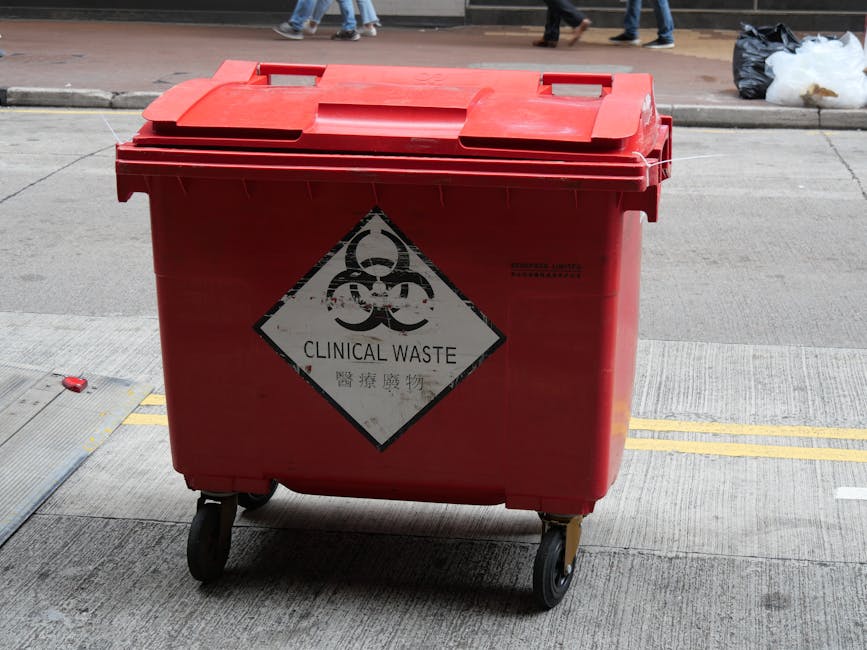
Why Avoid Bulky Waste Fines in Chase Cross: Disposal Options Matters
Bulky waste is one of those everyday issues that looks simple until you are standing in front of a cracked bed frame and a car boot that is nowhere near large enough. In Chase Cross, as in other parts of London, getting disposal wrong can lead to avoidable costs, unpleasant mess, neighbour complaints, and in some situations fines or enforcement action. Nobody wants that over a sofa that has already had its best years.
The bigger issue is not just money. Poor disposal can create hazards on pavements, block shared hallways in flats, attract fly-tipping, or create lifting injuries when people try to move heavy items alone. That is especially relevant if you live in a flat, are moving house, or are clearing a property on a deadline.
For anyone planning a move, it helps to treat bulky waste as part of the moving plan, not a last-minute afterthought. A few hours of preparation can save a lot of hassle later. If you are already in the middle of a relocation, you may find it useful to combine this with clutter-clearing advice before moving and the practical guidance in efficient tips for stress-free house moving.
In simple terms: the right disposal option helps you stay compliant, reduce stress, and avoid the awkward "what do we do with this now?" moment at 8pm on a Thursday.
How Avoid Bulky Waste Fines in Chase Cross: Disposal Options Works
There is no single best solution for every item. The right approach depends on what the item is, how large or heavy it is, whether it can be reused, and how quickly it needs to go. A wooden chair and a double mattress do not need the same disposal route. Nor does a broken freezer need the same handling as a pile of flat-pack shelving.
In practice, bulky waste disposal usually falls into a few common routes:
- Reuse or donation if the item is still usable and safe.
- Household bulky collection where available through local services.
- Private removal and disposal via a licensed local mover or clearance service.
- Reuse and recycling channels for items with recoverable parts or materials.
- Special handling for awkward items like pianos, fridges, or very heavy furniture.
The key is to sort items early and be honest about condition. If something is damaged beyond repair, does not belong in a normal bin, or would be unsafe to leave out, it needs a proper bulky waste route. You will also want to think about access. A ground-floor flat with a wide path is one thing; a top-floor property with a narrow stairwell is another story entirely.
When a job is time-sensitive, some people choose a flexible service such as same-day removals in Chase Cross or a man and van service in Chase Cross for quick removal of bulky household items. That said, speed should never mean cutting corners on disposal rules.
Key Benefits and Practical Advantages
Choosing the right bulky waste disposal option is not just about avoiding a fine, although that is a big part of it. It also gives you a cleaner, calmer process from start to finish.
- Less risk of penalties because the item is handled properly.
- Safer lifting and moving because the load can be planned instead of improvised.
- Less clutter during a move, which makes packing more manageable.
- More responsible disposal when reusable or recyclable materials are separated out.
- Less disruption in flats and shared homes, where bulky items can block corridors fast.
There is also a practical mental benefit. Once the bulky item is out of the way, everything else feels easier. That sounds small, but anyone who has spent an evening trying to manoeuvre a wardrobe through a tight landing knows exactly how much lighter the room feels afterwards.
For large household items, the right transport setup matters too. If your item needs careful handling, have a look at furniture removals in Chase Cross and the broader removal services in Chase Cross to understand what support may fit the job.
Who This Is For and When It Makes Sense
This topic matters to a wide range of people, not just homeowners with a spare sofa. If you recognise yourself in any of the scenarios below, it is worth planning ahead.
- Home movers who are leaving behind furniture that will not fit the new place.
- Flat residents dealing with stair-only access or shared entrances.
- Students moving out and needing to clear a bed, desk, or old storage unit.
- Landlords and letting agents sorting left-behind bulky items after a tenancy ends.
- Small offices replacing desks, chairs, filing cabinets, or old equipment.
- Anyone with broken appliances or furniture that cannot simply go in the bin.
It also makes sense if you are on a deadline. Maybe the keys are changing hands tomorrow. Maybe the hallway is already packed with boxes. Maybe the mattress is old, sagging, and honestly a bit embarrassing to keep carrying around. We have all seen those moments.
If the item is large, awkward, or risky to move, it may be safer to pair disposal with moving support. For example, house removals in Chase Cross can be helpful when bulky waste is part of a wider moving day. For smaller loads, a removal van in Chase Cross may be enough.
Step-by-Step Guidance
Here is a straightforward process you can follow to avoid mistakes and make the disposal decision easier.
- List every bulky item
Walk through the property and write down what needs to go. Include furniture, mattresses, appliances, and odd-shaped items. Do not rely on memory. It always misses something, usually the heaviest thing. - Sort by condition
Group items into reusable, recyclable, repairable, and beyond repair. If an item could be reused safely, that is worth considering first. - Check size, weight, and access
Measure doorways, stairs, lifts, and stair turns if the item needs to be moved through the building. This is where many DIY plans go sideways. - Decide on the disposal route
Choose between reuse, local collection, private removal, or specialist handling depending on the item. - Prepare the item
Empty drawers, remove loose parts, tape doors shut if needed, and disconnect appliances safely before moving. - Arrange timing early
Do not leave collection to the final hour. If you are moving, plan bulky waste before packing day gets hectic. - Move safely
Use lifting techniques, gloves, and proper loading methods. For anything heavy, get help. Pride is not worth a back strain. - Confirm the final destination
Make sure the item is going to the correct disposal or reuse route and not being dumped somewhere inappropriate. That is where fines and trouble start.
When you are planning the physical move, it can help to read about safe kinetic lifting and moving heavy objects more safely. These are especially useful if you are dealing with anything bulky but not quite specialist-level heavy.
Expert Tips for Better Results
A few small choices make a surprisingly big difference. In our experience, the jobs that go smoothly are rarely the ones that are rushed.
- Disassemble before you move where possible. Removing legs, cushions, shelves, or doors can make a bulky item far easier to handle.
- Protect your floors and walls with blankets or covers if an item needs to pass through tight indoor spaces.
- Keep fixings in labelled bags if there is any chance the item might be reused or repaired later.
- Take photos before disposal if you are a landlord, agent, or tenant clearing a property. It keeps the process clear and tidy.
- Think about recycling early, especially for wood, metal, and some appliances. It is not always obvious, but separation helps.
Another useful habit: if a bulky item is being removed alongside your move, deal with it before the moving team is trying to work around boxes, rugs, and loose cables. That last-minute shuffle is where time disappears.
For specific awkward household items, these guides can help: how to move a bed and mattress correctly and the right way to store your freezer when it is not needed. They are practical, not fluffy, which is refreshing.
Common Mistakes to Avoid
Most bulky waste problems come from a few predictable mistakes. If you avoid these, you are already ahead.
- Leaving items outside without checking the rules - even if it seems harmless, it can create enforcement issues or neighbour complaints.
- Assuming every item can be recycled the same way - different materials and products need different handling.
- Trying to move oversized items alone - this is how injuries and damaged walls happen.
- Forgetting access restrictions - narrow stairs, parking issues, and low door frames can turn a simple job into a headache.
- Leaving it until moving day - by then, everything is more stressful and less flexible.
- Using unverified disposal options - if you cannot be confident where the waste is going, do not hand it over.
Let's face it, a rushed disposal plan is usually a bad plan. It often costs more in time, stress, and clean-up than doing it properly in the first place.
Tools, Resources and Recommendations
You do not need a van full of specialist equipment to handle bulky waste well, but a few practical tools can make the work far easier.
- Measuring tape to check doorways, stairs, and item dimensions.
- Work gloves for grip and basic hand protection.
- Blankets or moving pads to protect furniture and walls.
- Strong tape and bags for loose parts, screws, and cords.
- Dolly or sack barrow for suitable items on flat, safe ground.
- Labels or marker pens to tag reuse, recycle, and dispose piles clearly.
On the planning side, it also helps to use services and pages that give a fuller picture of the moving process. For example, packing and boxes in Chase Cross is useful if bulky waste removal sits alongside a full packing job. And if your move is being squeezed into a tight schedule, what to expect from emergency same-day removals can help you understand the pace and planning involved.
If you want to compare support options or understand what is included before booking, the services overview and pricing and quotes pages are sensible next stops. For confidence around handling and protection, the insurance and safety page is also worth reading.
Law, Compliance, Standards, or Best Practice
For bulky waste, the main principle is simple: do not dump items illegally, do not leave them where they can obstruct others, and do not hand waste to someone who cannot clearly explain how it will be dealt with. That is the heart of safe, lawful practice in the UK.
In everyday terms, best practice means checking who is taking the item, confirming they are properly equipped for the job, and keeping your disposal choices sensible. If a service or mover offers removal, it is reasonable to ask how they handle loading, transportation, and disposal. A trustworthy provider should be happy to explain the process in plain English.
For landlords, property managers, and people clearing a shared building, it is especially important to avoid placing bulky items in communal spaces for too long. Corridors and entrances need to stay clear. That is not just a courtesy; it is basic safety.
The same general standard applies to sustainability. Reuse, recycling, and waste reduction should be considered before disposal where practical. The site's own recycling and sustainability information is a good reminder that responsible removal is not only about speed, but about what happens after the item leaves your property.
If your clearance includes special items such as instruments or unusually large furniture, you may also want to use specialist help. For example, piano removals in Chase Cross exist because some items are simply too awkward, heavy, or valuable to treat as standard rubbish.
Options and Comparison Table
Not every bulky item needs the same approach. Here is a quick comparison to help you decide.
| Option | Best for | Pros | Watch-outs |
|---|---|---|---|
| Reuse or donation | Good-quality items still in working order | Reduces waste, may help others, can be the cleanest outcome | Must be safe and suitable for reuse |
| Bulky waste collection | Single items or small volumes where a local collection is available | Simple and often convenient | Needs booking and correct preparation |
| Private removal service | Multiple items, urgent clearances, heavy furniture | Flexible, fast, can handle loading and transport | Choose a reputable service and confirm disposal route |
| Specialist item handling | Pianos, large appliances, oversized or fragile items | Safer for the item and the property | Usually requires more planning and care |
| DIY transport | Small loads and low-risk items | Can be low-cost if done safely | Higher injury risk, access issues, disposal compliance still matters |
If you are weighing up methods, the deciding factor is often not price alone. It is the mix of access, urgency, safety, and how much effort you want to carry yourself. Quite literally, in some cases.
Case Study or Real-World Example
A typical Chase Cross scenario goes like this. A family is moving from a two-bedroom flat and discovers, three days before moving, that the old sofa will not fit through the new property's stairwell. The bed frame is also wobbling, one wardrobe door is hanging off, and the freezer needs to be cleared from the kitchen before the final clean.
Instead of trying to force everything into a van in one tired evening, they split the job into categories. The sofa and bed frame are assessed for reuse or disposal. The freezer is emptied and prepared correctly. The broken wardrobe is disassembled so the parts can be handled safely. A mover is booked to take the bulky items away in one trip, which means fewer trips, fewer scraped walls, and much less stress.
The result is not dramatic. No one is popping champagne over a cleared hallway. But the moving day runs better, the flat is left tidy, and there is no panicked late-night search for somewhere to dump a mattress. Honestly, that alone is a win.
If you are in a similar position, articles like professional packing advice for a smoother move can help with the broader move plan, while a pre-move cleaning checklist supports the final handover. The small details matter more than people expect.
Practical Checklist
Use this checklist before you move a bulky item or arrange disposal.
- Identify every bulky item in the property.
- Separate reusable items from damaged items.
- Measure the item and the access route.
- Check whether the item is safe to move without help.
- Remove loose parts, cords, and contents.
- Protect floors, walls, and corners if moving through the property.
- Book the correct disposal or removal option in advance.
- Confirm who is taking the item and where it will go.
- Keep pathways clear on collection day.
- Store receipts, confirmations, or notes if you need a record.
Expert summary: The safest way to avoid bulky waste fines in Chase Cross is to plan early, choose the right disposal route for each item, and never treat large waste like ordinary bin waste. If an item is heavy, awkward, or time-sensitive, get proper help rather than improvising.
That is the whole game, really. Good planning beats hurried decisions.
Conclusion
Bulky waste does not need to turn into a fine, a mess, or a sore back. With a little planning, you can choose the right disposal option, keep the move moving, and handle the job in a way that feels calm instead of chaotic. In Chase Cross, that usually means thinking ahead, checking access, and using the right support for the item in front of you.
If your situation includes heavy furniture, awkward appliances, or a tight moving timetable, it is worth combining disposal with a broader moving plan. And if you are clearing a property before a handover, staying organised now will make the final hour much easier. Small effort, big difference.
Get a free quote today and see how much you can save.
When the clutter finally clears and the floor is visible again, you will feel it straight away. A little lighter. A little freer. That is usually the sign you made the right call.