Emergency Same-Day Removals in Chase Cross: What to Expect
Posted on 15/05/2026
If your move has suddenly turned into a same-day scramble, you are not alone. A boiler has packed in, a landlord has changed the date, keys have been delayed, or a family situation has shifted without warning. In that moment, Emergency Same-Day Removals in Chase Cross: What to Expect matters because speed is only half the story. You also need calm planning, clear communication, and a team that can work safely under pressure.
Truth be told, emergency removals are rarely "simple". They are usually a mix of urgency, emotion, practical constraints, and a clock that seems to be running too fast. The good news? With the right approach, a same-day move can still feel controlled. This guide explains how emergency removals work in Chase Cross, what a professional service should do, what can go wrong, and how to prepare in a few focused steps. If you want a broader view of moving support first, you may also find our removals service overview useful, especially if you are comparing options under time pressure.
We will keep this practical. No fluff. Just the kind of advice that helps when boxes are half-packed, the kettle is still out, and the front room looks like a small but determined storm passed through. Let's get into it.
Why Emergency Same-Day Removals in Chase Cross: What to Expect Matters
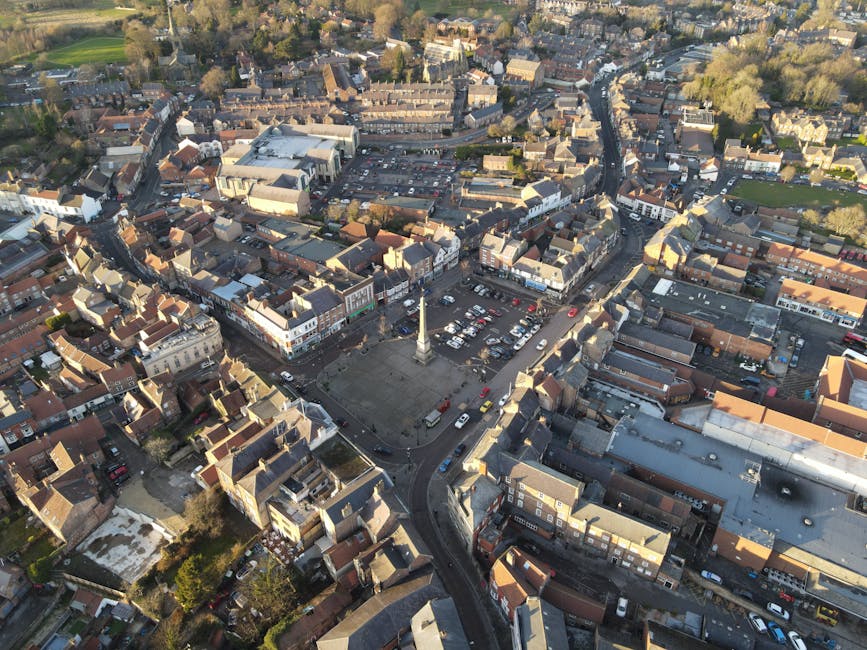
Emergency same-day removals are not just about getting a van to your door quickly. They are about reducing disruption when circumstances have already become difficult. In Chase Cross, where homes, flats, terraces, and access routes can vary a lot from street to street, timing and local knowledge make a real difference.
For many people, the pressure is not the physical move itself. It is the uncertainty. Will the team arrive on time? Can they handle stairs? What if the parking space is tight? What if the property only has a short loading window? These are the details that separate a smooth same-day move from a stressful one. A good removals provider should be able to explain the likely sequence clearly, even if the situation is moving fast.
There is also a trust issue. When you are booking urgently, it is easy to accept the first available option. Fair enough. But if a company cannot explain how they will protect furniture, manage access, or estimate the load realistically, that is a warning sign. A fast move still needs structure. Actually, especially then.
If your move is happening alongside other services, such as disposal of unwanted items, it can help to understand the full picture first. For example, our waste clearance service is relevant when you need to separate what is going with you from what is being left behind. That sounds obvious, but under pressure people often forget how much time clutter can steal.
How Emergency Same-Day Removals in Chase Cross: What to Expect Works
Most emergency same-day moves follow a similar pattern, even if the details vary. The service usually begins with a quick assessment by phone or message, then an immediate plan for vehicle size, crew numbers, access, and likely timing. The faster the information is shared, the more accurate the plan can be.
Expect a short but focused conversation. A decent provider will want to know:
- where you are moving from and to
- what needs moving
- how many rooms or major items are involved
- whether there are stairs, lifts, narrow hallways, or parking limits
- what time you must leave the property
- whether there are fragile, bulky, or awkward items
That may sound straightforward, yet it is often where the real work begins. If you say "just a few things" but the property contains wardrobes, a corner sofa, and a cupboard full of books, the whole schedule can shift. To be fair, that happens a lot. People underestimate volume when they are stressed.
Once the information is gathered, the removals team should confirm a plan. In a same-day scenario, that usually means:
- allocating the nearest available crew
- choosing the most suitable van size
- confirming an estimated arrival window
- explaining what should be packed or ready beforehand
- setting expectations for loading, travel, and unloading
In Chase Cross, local traffic conditions, school-run timing, and parking access can all affect the day. A good team will build around that rather than pretending it does not matter. If you are arranging a broader move rather than a one-off urgent job, a more structured guide such as man and van services can help you compare the practical differences between smaller flexible moves and larger removals.
Key Benefits and Practical Advantages
The biggest benefit of a same-day removal is obvious: speed. But the real value is in what that speed protects you from. Missed deadlines, extra nights in temporary accommodation, storage fees, lost access to a property, and the emotional drain of trying to improvise everything at the last minute.
Here are the advantages that matter most in real life:
- Rapid response: useful when plans change without warning.
- Reduced stress: one coordinated service is better than juggling several people.
- Local flexibility: Chase Cross moves often need quick adaptation to parking and access constraints.
- Less downtime: you can get settled sooner and move on with your day.
- Practical support: many emergency removals include loading help, not just transport.
There is also something less obvious: a good emergency move can restore a bit of control. When everything feels rushed, having a clear plan helps you breathe again. One box at a time. One room at a time. That rhythm matters.
Same-day removals are not always the cheapest option, of course. But if delaying the move creates bigger costs or problems, the value can be very strong. In some cases, the expensive option is actually the slow one.
Who This Is For and When It Makes Sense
Emergency same-day removals are suitable for people facing time-sensitive situations where waiting is not realistic. That might sound broad, and it is. But the pattern is usually clear once you look at the circumstances.
You may need this service if you are:
- leaving a property on short notice
- dealing with a tenancy change or end-of-occupancy deadline
- moving furniture into storage quickly
- responding to a family emergency or sudden change in plans
- relocating a few large items that cannot wait
- clearing a property before access is lost
It also makes sense if you only have a small load but the timing is awkward. A lot of same-day jobs are not full house moves. They are smaller, urgent, and oddly specific. A bed, a sofa, a few white goods, some boxes. Enough to cause a headache if it is not handled quickly.
If you are unsure whether you need emergency removals or a more standard booking, ask yourself one blunt question: Would delaying this move create a bigger problem than paying for urgent support? If the answer is yes, same-day help is probably the sensible route.
For jobs involving shared property access, storage handovers, or partial clear-outs, a more tailored service can be helpful. Our house removals page may also be useful if the situation is a full domestic move rather than a single-item emergency.
Step-by-Step Guidance
If you have never booked an urgent move before, here is the cleanest way to handle it. Keep it simple. There is enough chaos already.
1. Gather the essential details
Before you call, make a quick list of what is moving, where from, where to, and by what time it must be done. Include difficult items such as wardrobes, beds, appliances, mirrors, and anything awkward to carry.
2. Check access at both properties
Think about stairs, lifts, narrow entrances, parking restrictions, and how close a van can get to the door. In a busy area, even a ten-metre walk with a heavy item can change the timing more than people expect.
3. Be honest about the volume
Understating the job causes delays. Overstating it can lead to a larger vehicle than necessary. The aim is accuracy, not optimism. That old "it'll fit in one trip" instinct is charming, but not always wise.
4. Confirm the arrival window
Ask for a realistic time window rather than a vague promise. Emergency services often have to adjust on the fly, but you should still know what the plan is and how updates will be shared.
5. Prepare what you can
Anything already boxed, labelled, and ready to go will speed things up. If you are still packing while the crew arrives, separate the essentials from the non-essentials so nobody has to sort through kitchen drawers while the van is waiting outside.
6. Protect fragile or valuable items
Wrap small valuables, documents, jewellery, and delicate electronics before the team arrives if possible. If not, tell them clearly what needs extra care. Good communication beats guesswork every time.
7. Do a final walkthrough
Before leaving, check cupboards, loft spaces, under beds, bathrooms, and behind doors. People forget the most ordinary things when they are rushing. A phone charger. Keys. A prescription. The little essentials, always.
Expert takeaway: the best emergency removals are not just fast; they are well prioritised. Speed without organisation creates more problems, not fewer.
Expert Tips for Better Results
After plenty of urgent moves, one pattern stands out: the people who prepare well in the first ten minutes save themselves the most stress later. Not always, but often enough to matter.
- Use one point of contact. Too many family members or flatmates calling separately can slow decisions.
- Keep essentials together. Put documents, chargers, medication, keys, and a change of clothes in one bag.
- Label by room, not by mood. "Kitchen" is more useful than "miscellaneous stuff."
- Reserve access space early. If possible, make sure the van can stop close to the property.
- Leave pathways clear. Hallways free of bags and baskets save real time.
- Expect a fast pace, but not a rushed one. Safe lifting still matters, even when everyone is in a hurry.
One small but important tip: if you know there is a tricky item, mention it early. A grand piano is not a surprise the crew wants at the front door. Nor is a heavy American fridge freezer hiding in a back room. Mentioning these things up front helps the team bring the right equipment and enough people.
And if the move involves items that cannot be saved, cleaned, or reused, it may be more efficient to combine removals with clearance. In some situations, a clearance service for offices or business premises can reduce the number of separate calls you have to make. That can be a lifesaver when time is tight.

Common Mistakes to Avoid
Same-day moves can go smoothly, but only if you avoid the usual traps. These are the ones that cause most of the friction.
- Booking too late: calling when the deadline has already passed leaves fewer options.
- Hiding the difficult items: awkward furniture, heavy appliances, and basement access need to be mentioned early.
- Assuming parking will work itself out: it often does not.
- Leaving packing to the last minute: unfinished packing slows the whole move.
- Not asking about insurance or handling standards: you want to understand how your items will be moved, not hope for the best.
- Forgetting disposal needs: if some items are not going, plan that separately.
One mistake people make under stress is trying to manage everything personally while the crew is standing there ready to load. That sounds efficient. It rarely is. If you can delegate the moving work, let the movers do the moving. You can focus on access, keys, paperwork, and anything that needs a decision.
Another quiet problem is emotional clutter. Not every emergency move is just logistical. Sometimes the situation is upsetting, and that can make decisions slower. If that is your reality, keep your questions simple and your priorities even simpler: what must go, what must stay, and what cannot be replaced.
Tools, Resources and Recommendations
You do not need a van full of specialist gear to prepare for an urgent move, but a few practical tools make the day much easier.
- Strong boxes or storage tubs: useful for quick packing and stacking.
- Marker pens and labels: keep room labels short and clear.
- Bubble wrap or packing paper: good for glass, lamps, and breakables.
- Furniture blankets: help protect wooden or polished surfaces.
- Strong tape: the unglamorous hero of every last-minute move.
- Phone charger and power bank: because the one day you need your phone most is the day it sits at 4%.
As a practical recommendation, keep a small emergency bag with the items you need immediately after the move. That might include:
- keys
- wallet
- medication
- documents
- water
- snacks
- phone charger
If you are moving into temporary accommodation or need to store items for a while, it may be worth looking at your wider service options before the day begins. A flexible provider can often coordinate different stages of the move without creating extra hassle. If you want to explore broader support, our packing services information may help you decide whether to tackle packing yourself or hand part of it over.
Law, Compliance, Standards, or Best Practice
For emergency removals, the main compliance concerns are practical rather than dramatic. You are usually dealing with property access, safe lifting, transport, and the handling of personal possessions. A professional team should follow sensible best practice, work carefully, and treat your belongings with reasonable care.
In the UK, there are also everyday responsibilities that matter during a move. Parking restrictions, loading access, building rules, landlord conditions, and shared-access etiquette can all affect what is possible on the day. In flats or managed properties, it is wise to check whether lifts need booking, whether there are time windows for removals, or whether floor protection is required. Those details are not exciting, but they are the difference between a clean exit and a needless argument with a building manager.
If you are moving items from a business premises, the expectations can be slightly different. Access control, document handling, IT equipment, and work-area safety may all need extra care. A good provider should be able to talk through these issues in plain English rather than brushing them aside.
Insurance is another area to ask about. You do not need a lecture. Just ask what cover is in place, how items are handled, and what happens if something is damaged in transit. A reliable answer should be straightforward, not fuzzy.
Options, Methods, or Comparison Table
Not every urgent move needs the same approach. Sometimes a small van and two hands are enough. Sometimes the job is bigger and needs more structure. Here is a simple comparison to help you think it through.
| Option | Best for | Typical strengths | Possible limits |
|---|---|---|---|
| Same-day removals team | Urgent home or flat moves with limited time | Fast response, loading help, practical coordination | Can cost more than planned bookings |
| Man and van support | Smaller loads or flexible short-notice jobs | Quick to arrange, often well suited to single trips | May not suit large households or multiple heavy items |
| Full removals service | Larger moves, multi-room homes, or more complex access | More manpower and organisation | May need more lead time than a true emergency allows |
| Hybrid move plus clearance | Moves involving unwanted items or partial emptying | Efficient, reduces duplicate work | Requires clear instructions about what stays and what goes |
The right option depends on volume, timing, and access. If you are only moving a few large pieces, a smaller service can be enough. If you are dealing with an entire home and a hard deadline, a fuller removals approach may be better. There is no prize for choosing the most complicated solution. Simple usually wins.
Case Study or Real-World Example
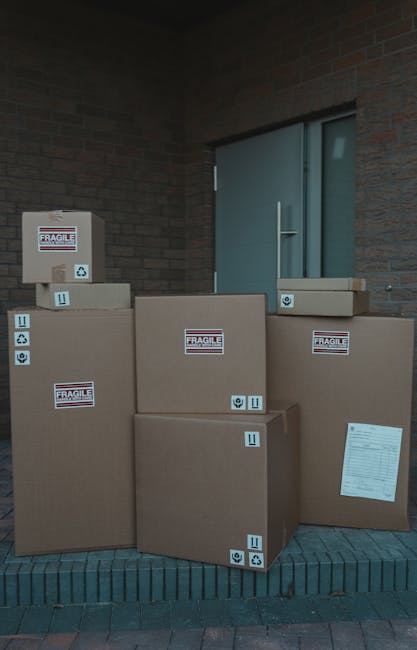
Picture this. It is late morning in Chase Cross, and a tenant has just been told keys must be handed over by the end of the day. Not ideal. Boxes are only partly packed, a wardrobe is still full, and there is a sofa that definitely will not fit in a car, no matter how much optimism is involved.
The first step is a quick call to the removals provider. The tenant explains the property layout, the time limit, and the larger items. The team asks about stairs, parking, and whether any items need disassembly. They agree a vehicle size, confirm an arrival window, and ask the tenant to have essentials ready by the door.
When the crew arrives, they load in a logical order: fragile boxes first, then bulky items, then loose household goods. One person keeps an eye on access. Another handles the heavier lifting. The tenant focuses on keys, final checks, and making sure the right things are going. It is not perfect. There is a slight scramble over a missing bag of cables, because of course there is. But the move is completed the same day, and that alone changes the mood entirely.
That kind of outcome is common when the basics are handled well. The people who fare best in emergency moves are not always the most organised from the start. They are the ones who give clear information quickly and stay decisive when it matters.
Practical Checklist
Use this simple checklist before the crew arrives. It will not solve everything, but it will help.
- Confirm the move time and arrival window
- List all items going with you
- Flag any heavy, fragile, or awkward pieces
- Check access, parking, and building restrictions
- Pack essentials separately
- Label boxes by room
- Keep valuables and documents with you
- Clear hallways and doorways
- Decide what is being moved and what is being left
- Do a final walkthrough before departure
Practical summary: the smoother the information flow, the smoother the move. A good emergency removals team can do a lot, but they still need clear answers from you. That partnership is what gets the job done.
Conclusion
Emergency same-day removals in Chase Cross are about more than speed. They are about making a difficult day feel manageable, one careful step at a time. When you know what to expect, what to prepare, and what questions to ask, the whole process becomes far less intimidating.
The best outcomes usually come from simple things: honest information, realistic timing, clear access, and a removals team that understands urgency without rushing the job itself. That balance matters. It really does.
If you are facing a move today, do not wait for the situation to become messier than it already is. Get clear on the essentials, ask direct questions, and choose the support that fits the job in front of you.
Get a free quote today and see how much you can save.
And if all you manage today is one box, one decision, and one deep breath, that is still progress. Sometimes that is exactly enough.


