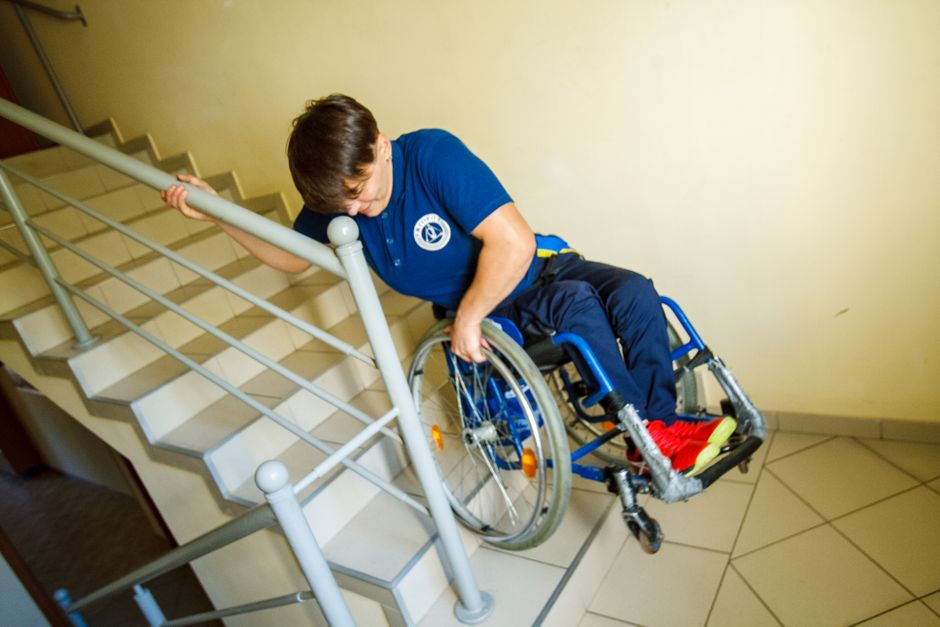
Tackling Staircase and Access Issues in RM6 Moves
Posted on 18/06/2026
If you are moving in RM6, staircases and awkward access can turn a straightforward relocation into a bit of a logistical puzzle. Narrow landings, tight turns, top-floor flats, steep front steps, parking awkwardly far from the entrance - all of it adds time, effort, and risk. The good news? Tackling staircase and access issues in RM6 moves is very manageable when you plan properly and know what to look for before moving day.
In practice, the best moves are the ones that account for the building, the route, and the heavier items before the first box is lifted. That sounds obvious, but it is often the part people miss. This guide walks you through what staircase and access issues really mean, how they affect house and flat removals in RM6, and the practical steps that make moving day calmer, safer, and usually much more efficient.
Why Tackling Staircase and Access Issues in RM6 Moves Matters
Staircases are not just "a few extra steps". In moving terms, they change the whole shape of the job. A sofa that is fine in a ground-floor hallway can suddenly become the hardest thing in the world once you reach a narrow staircase with a tight turn and a bannister in the way. That is especially true in flats, maisonettes, older terraced homes, and buildings where the internal layout was never designed around large modern furniture.
RM6 has plenty of properties where access is perfectly workable, but not always generous. You may have shared entrances, split-level homes, long walks from the van to the front door, or parking constraints that force the team to carry items farther than expected. And let's face it, every extra metre matters when you are shifting wardrobes, mattresses, white goods, or a piano. It is not just about speed. It is about reducing strain, protecting the property, and avoiding those small accidents that become expensive very quickly.
There is also a trust angle here. When movers assess access well, they can give more realistic planning, better time estimates, and safer handling advice. That usually means fewer surprises on the day and a smoother start to finish. If you want the wider moving process to feel under control, it helps to pair access planning with professional packing advice for a smoother home relocation and broader preparation like efficient tips for stress-free house moving.
How Tackling Staircase and Access Issues in RM6 Moves Works
The process starts before moving day. A good removal plan asks a simple question: how will each item leave the property safely, and in what order? That means looking at the staircase, the hallway width, the doorway clearances, the lift if there is one, parking arrangements, and whether larger pieces need partial dismantling.
In a typical RM6 move, the team will usually map out the route from the room to the van. It sounds basic, but it changes everything. If the route is tight, the movers may need to angle furniture, remove feet or drawers, wrap delicate corners, or use additional lifting equipment. In some cases, they will bring items down one at a time in a set sequence to avoid blocking the staircase.
Access issues are not only about stairs. A property might have:
- narrow internal stairwells
- low ceilings on landings
- tight bends around a corner
- shared hallways or entranceways
- limited parking close to the property
- long carry distances from the road
- restricted loading windows or estate access points
That is why RM6 moving plans often benefit from combining access checks with sensible packing and dismantling decisions. For example, a heavy bed frame is much easier to handle when you follow the ideas in how to successfully move your bed and mattress, while clutter reduction before the move can make stair traffic much easier. If you have not already done it, tackling clutter before moving is one of those tasks that quietly saves you time later. Quite a lot of time, actually.
On the lifting side, good technique matters. A staircase move should never rely on guesswork or a quick tug-and-hope approach. The basics of safe movement are closely tied to efficient kinetic lifting and the practical advice in heavy object lifting going solo with ease for understanding why balance, grip, and load control matter so much.
Key Benefits and Practical Advantages
Planning for access problems is not just about avoiding stress. It gives you concrete advantages that show up on moving day and after it. The first is safety. Fewer awkward lifts mean fewer slips, strains, and scrapes. The second is speed. When the route is known in advance, the team can move in a better rhythm instead of stopping every few minutes to re-think the angle of a chest of drawers.
There is also less property damage. Stair edges, walls, paintwork, banisters, and door frames are all vulnerable when large furniture is being moved in a rush. A few extra minutes spent measuring and planning can save a repair bill and a headache. That is not dramatic - it is just reality.
Other practical advantages include:
- more accurate quotes and time estimates
- less chance of needing a second trip
- better protection for bulky or fragile items
- less disruption to neighbours in shared buildings
- easier handling of awkward items such as wardrobes, freezers, or pianos
For awkward specialist items, it often makes sense to treat them separately. A piano, for instance, is a different conversation altogether. The risks are real, which is why many people choose dedicated support and read up on the dangers of moving a piano alone before deciding what to do next. If that is your situation, piano removals in Chase Cross can be the more sensible route.
And if you are sorting furniture-heavy rooms, it is useful to know what a specialist team can handle. The range of support available through furniture removals in Chase Cross can make stair-heavy properties far less stressful.
Who This Is For and When It Makes Sense
Staircase and access planning matters for more people than you might think. It is not just for top-floor flats or homes with "impossible" staircases. In real life, almost anyone moving a sofa, bed, freezer, or desk can run into access issues if they do not check the route properly.
This guidance is especially useful if you are:
- moving from a flat or maisonette with internal stairs
- relocating from an older house with narrower landings
- moving into a property with shared or restricted access
- handling large furniture, appliances, or specialist items
- booking a same-day move where timing is tight
- working with a student flat or busy shared home
Students in particular often underestimate stair access. There is usually more furniture than expected, and not much of it is easy to carry. If that sounds familiar, student removals in Chase Cross can be a practical fit, especially when the move is between upper-floor flats or shared accommodation.
It also makes sense for people moving on a short timeline. When you are trying to leave quickly, access planning is the thing that slips first. If you are in that position, same day removals in Chase Cross can still work well, but the access route needs to be clear from the outset. No point pretending otherwise.
Step-by-Step Guidance
Here is a practical way to handle staircase and access issues without turning the day into a scramble.
- Walk the route from room to van. Start at the item itself and trace the full path out of the property. Look at door widths, corners, ceiling height, handrails, and any tight squeeze points.
- Measure the awkward items. Get the dimensions of sofas, beds, wardrobes, appliances, and anything heavy or unusually shaped. If you know the measurements, you can compare them with the route before anyone starts lifting.
- Identify what can be dismantled. Remove bed frames, table legs, shelves, mirrors, or doors where sensible. Dismantling often turns a near-impossible job into a manageable one.
- Clear the stairs and landings. This is simple but crucial. Shoes, plant pots, bins, coat stands, and loose clutter all create trip hazards and narrow the working space.
- Reserve parking and loading space. Even a perfectly planned staircase move gets harder if the van has to park a long way away. In RM6, that can be the difference between a tidy move and a tired one.
- Pack for handling, not just storage. Items should be stable, labelled, and easy to stack. If boxes are overfilled, they are unpleasant on stairs and miserable in the van. A very British kind of misery, but still misery.
- Move in the right order. Large, awkward, and high-risk items should usually be handled early, when everyone is fresh and the route is still clear.
- Use the right support for specialised items. Freezers, mattresses, glass furniture, and pianos all deserve extra planning. For the freezer side of things, the right way to store your freezer when not needed is worth checking if you need to prepare before the move or after delivery.
It can also help to think about the move as a sequence, not a single event. Prepare the property, prepare the route, prepare the items, then move. That simple structure stops a lot of chaos.
Expert Tips for Better Results
Over time, one thing becomes obvious: successful staircase moves are usually won in the preparation stage. Here are the habits that make the biggest difference.
1. Keep the staircase as uncluttered as possible. Even a small pile of shoes at the foot of the stairs can slow things down or create a trip hazard. It is amazing how often that tiny detail matters.
2. Use proper wrapping and corner protection. Furniture legs, mirrors, door edges, and bannisters can all suffer in a tight turn. Soft covers, blankets, and protective wrap are basic tools, but they work.
3. Label awkward items clearly. A box marked "heavy" or "fragile" should be obvious at a glance. That helps the team position it properly in the van and avoid unnecessary lifting later.
4. Keep communication simple and direct. If there is a tight turn on the first floor, say so early. If a sofa has removable feet, mention it. If a lift is out of action, that should be known before arrival, not after everyone is standing in the hallway looking at each other.
5. Avoid overpacking boxes. Stair carrying is much easier when boxes are sized sensibly. One heavy box is enough to spoil a whole stretch of stairs. Two, and everyone's mood changes.
If you are curious about the physical side of lifting, it is worth reading the core elements of efficient kinetic lifting. It explains why posture, stance, and balance matter so much in moving work. For people tackling bulky objects on their own, heavy-object lifting going solo with ease offers a useful perspective too, though honestly, for stairs, a second pair of hands is usually the wiser choice.
Keep the job boring. That sounds odd, but boring is good in removals. Predictable routes, controlled lifts, and steady communication are what you want.
Common Mistakes to Avoid
People often assume the biggest problem will be the size of the item. Sometimes it is. But more often, the issue is the route, the timing, or the way the item is handled. Small mistakes have a habit of compounding when stairs are involved.
- Not measuring properly. Guessing is risky. "It should fit" is not a measurement.
- Forgetting about the landing. A sofa may clear the stairwell but fail at the turn. That happens a lot.
- Leaving clutter in the way. Boxes, bikes, baskets, or loose cables all reduce usable space and increase the chance of a stumble.
- Ignoring parking access. If the van cannot get close enough, the whole job gets slower and more tiring.
- Trying to force oversized items. When something does not want to turn, forcing it usually ends badly. Very rarely with dignity intact, too.
- Skipping dismantling. A few bolts removed in advance can save a lot of strain later.
- Underestimating fatigue. Stairs are repetitive. That is what makes them hard. You may feel fine on the first trip, then notice the effort ten minutes later.
One overlooked mistake is not planning for the exit as carefully as the entry. It is easy to focus on getting items out of the property and forget where they will land, stack, or rest once outside. That matters for both safety and momentum.
Tools, Resources and Recommendations
You do not need a mountain of specialist equipment, but a few basic tools make staircase moves much easier. In our experience, the right kit often saves more time than a rushed extra pair of hands.
- Furniture blankets and wrap: useful for protecting painted walls, bannisters, and furniture corners
- Ratchet straps: helpful for securing items in the van after they have been carried down
- Gloves with grip: better handling, especially on polished wood or damp surfaces
- Flat furniture sliders: useful on smoother floors for short repositioning moves
- Basic tools: screwdrivers, Allen keys, and spanners for dismantling beds and furniture
- Door and wall protection: simple guards or folded blankets can prevent scuffs
For broader move preparation, the site's guides on pre-move cleaning and preparation and packing and boxes in Chase Cross are useful companions to access planning. If a property is particularly awkward, moving style matters too, and man and van support in Chase Cross can suit smaller moves where access is tight but manageable.
For a fuller view of available support, services overview is a sensible place to understand what kind of help fits your move, rather than guessing and hoping for the best.
Law, Compliance, Standards, or Best Practice
For stair and access moves, the key point is simple: safety comes first. In the UK, moving work should be approached with sensible manual handling practice, appropriate care for the property, and realistic limits on what should be carried by one person versus two. That is standard good practice, whether the job is domestic or commercial.
There are a few practical standards to keep in mind even if nobody is quoting legislation on the doorstep. Pathways should be kept clear. Loads should be lifted in a controlled way. The team should not make unsafe attempts to force furniture through a route that is clearly too tight. If the access is risky, the correct response is to pause, reassess, and change the plan.
It is also normal to consider building rules in flats and managed properties. Shared hallways, lift bookings, loading bay rules, and quiet-hour expectations can all affect the move. The best approach is to check those details in advance and keep neighbours in mind. That is not just polite; it tends to prevent awkward conversations later.
For customers who want reassurance about service expectations, it is sensible to review health and safety information, insurance and safety details, and the general accessibility statement. If you are comparing providers or checking terms, it also helps to understand the basics through terms and conditions and payment and security.
One more thing: if access limitations affect the quote, it should be explained clearly. Transparency matters. If something sounds vague, ask questions. A good mover will not mind.
Options, Methods, or Comparison Table
Different staircase and access situations call for different approaches. Here is a straightforward comparison to help you judge what fits best.
| Approach | Best For | Pros | Watch Outs |
|---|---|---|---|
| Standard carry-up/carry-down move | Clear, medium-width staircases with normal furniture | Simple, efficient, lower setup time | Still needs route checks and decent packing |
| Dismantle-and-move method | Large wardrobes, beds, desks, and bulky tables | Makes tight turns easier, reduces damage risk | Takes extra time and tools; needs reassembly planning |
| Specialist handling for heavy items | Pianos, American-style fridges, safes, awkward antiques | Better control and improved safety | Usually needs specialist equipment and more coordination |
| Small-van or man-and-van approach | Light to medium moves with limited access | Flexible for narrow roads and smaller loads | May need more than one trip if volume is underestimated |
| Fully managed house removal | Whole-home moves with stairs, furniture, and mixed load types | Best for coordination and reduced stress | Requires more planning and a clearer inventory |
For many RM6 moves, the right answer is a blend of methods. A bed may be dismantled, a wardrobe may be carried with two people, and boxes may be packed in sizes that suit stair movement. That kind of flexibility beats a one-size-fits-all plan every time.
Case Study or Real-World Example
Picture a typical top-floor flat move in RM6. Two bedrooms, one narrow staircase, a turn halfway up, and a tight parking space outside. Nothing outrageous. Just enough friction to make the job slower if nobody plans ahead.
The first step is a route check. The bed frame is dismantled the night before, mirrors are wrapped, and the biggest boxes are re-packed so they are not too heavy. A chest of drawers is emptied completely, because carrying it full up a staircase would be asking for trouble. The van is parked as close as reasonably possible, and the team agrees the sofa will go out first while everyone is fresh.
On the day, that order matters. The sofa clears the stairs only after a careful tilt at the landing, not a shove. The mattress is easier than expected because it has been protected properly and is handled in a straight, controlled line. The hardest item turns out to be a freezer - not because it is huge, but because its weight makes every corner feel tighter than it should. That is where preparation really pays off. The move is slower than a ground-floor job, yes, but it stays orderly and avoids damage.
That is the pattern most good stair-heavy moves follow: plan, dismantle, protect, sequence, then carry. Nothing glamorous. Just solid work done properly. And honestly, that is usually what people want most.
Practical Checklist
Use this checklist before moving day so staircase and access issues do not catch you out.
- Measure doors, stairs, landings, and the largest furniture items
- Check whether any furniture can be dismantled in advance
- Clear hallways, stairs, and doorways of clutter
- Confirm parking and loading access near the property
- Protect walls, banisters, and furniture corners
- Label heavy, fragile, or awkward boxes clearly
- Identify any specialist items that need extra care
- Make sure lifts, if available, are booked or working
- Keep keys, inventories, and access instructions ready
- Review safety, insurance, and move-day expectations
If you want to refine the process even further, the guides on moving street by street in Chase Cross RM6 and moving flats on Collier Row Estate to Chase Cross are useful for understanding local access patterns and property layouts. For particularly awkward lanes or tight routes, narrow lane moving tips near Hainault Forest also fits well with the same planning mindset.
Conclusion
Tackling staircase and access issues in RM6 moves is really about respecting the route, not just the boxes. Once you treat the staircase, landing, parking space, and item sizes as part of the moving plan, everything becomes more manageable. You carry less risk, waste less time, and give yourself a far better chance of a calm, controlled move.
The best outcomes usually come from simple habits: measure properly, clear the route, dismantle where sensible, and choose the right support for the items you are moving. If that all sounds a bit unexciting, fair enough - but unexciting is exactly what you want on moving day.
For quotes, planning guidance, or help with a more complex property layout, it is worth looking at the wider moving options and comparing what fits your home, your timeline, and your access situation. Clear planning now saves a lot of muttering on the stairs later.
Get a free quote today and see how much you can save.
And if you take one thing from this guide, let it be this: a tricky staircase does not have to mean a difficult move. It just means the move deserves a better plan.