Skip Permits, Parking Suspensions and Fines in Chase Cross
Posted on 06/07/2026
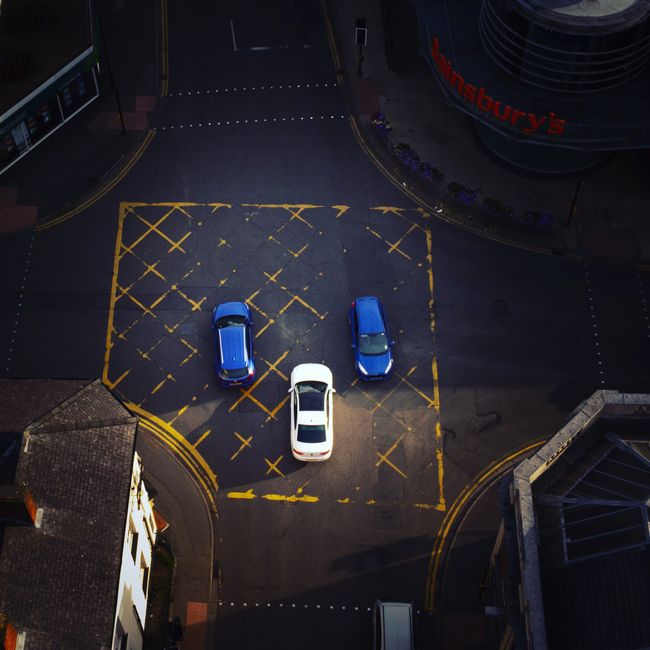
If you are organising a house move, a loft clear-out, or a bigger delivery in Chase Cross, skip permits, parking suspensions and fines can suddenly become the part everyone forgets until the last minute. Then the street feels tighter, the van seems bigger than you remembered, and the clock starts ticking. Truth be told, that is usually when avoidable costs creep in.
This guide breaks down Skip Permits, Parking Suspensions and Fines in Chase Cross in plain English. You will learn what each one means, how they fit into a move or clearance, what mistakes trigger penalties, and how to plan a calmer, cleaner job from the start. If you are trying to keep costs down while staying compliant, this is the practical version, not the hand-wavy one.
We will also show how the topic connects with moving logistics, access planning, and the kind of preparation that makes a relocation feel much less chaotic. It is one of those subjects that sounds dry until you are standing outside with a van, a sofa, and a parking worry. Then it matters a lot.
Why Skip Permits, Parking Suspensions and Fines in Chase Cross Matters
In Chase Cross, the practical challenge is rarely just the size of the job. It is the access. Narrow residential roads, limited parking, shared driveways, busy school runs, and the simple fact that one badly parked vehicle can upset the whole timetable. If a skip is dropped on the street without the right permission, or a removal van blocks a restricted bay, the result can be a fine, a delay, or both.
For many people, the cost is not only financial. A parking suspension not arranged early enough can turn a carefully planned moving day into a scramble. You may need to move the van, carry items farther than expected, or wait while someone sorts out the issue. That can be stressful for you, for neighbours, and for anyone helping with the move. And yes, it always seems to happen when the mattress is already halfway out the door.
It also matters because moving tasks often overlap. If you are decluttering before the move, you might hire a skip. If you are moving furniture, you may need short-term loading space. If you are clearing bulky waste, you may be juggling timing, parking, and lift access all at once. For practical support with this broader planning stage, many homeowners also find it useful to read how to tackle clutter head-on before moving to a new place and efficient tips for stress-free house moving.
Key point: The biggest risk is not the permit itself. It is leaving access planning too late, then paying for avoidable fines, rushed arrangements, or extra labour.
How Skip Permits, Parking Suspensions and Fines in Chase Cross Works
Let's keep this simple. A skip permit is the permission needed when a skip is placed on public highway land, such as a road, pavement, or verge. A parking suspension is a temporary restriction that reserves a space or prevents parking in a designated area for a particular reason. Fines can follow if a vehicle, skip, or obstruction sits where it should not.
In real life, these are usually separate issues, but they can overlap during a move. For example, a skip might be needed for old wardrobes and general clear-out waste. At the same time, a van might need space near the property for loading. If that loading space is suspended, or if the van cannot park legally, the whole process gets harder.
What people sometimes miss is that the rules are not only about permission in the abstract. They are about location, timing, and visibility. A valid arrangement still has to be followed properly. If the skip is placed where it should not be, or the van stays beyond the allowed time, that can still create a problem. No one wants to learn that lesson the expensive way.
When planning a move, think of the process in three layers:
- Space: where the skip or van will sit
- Timing: how long it will remain there
- Compliance: whether the arrangement matches local rules and signage
If the job includes awkward items, the access issue becomes even more important. A piano, large wardrobe, or heavy sofa may need a cleaner loading position. In those situations, practical reading such as exploring the dangers of moving a piano alone and heavy object lifting going solo with ease can help you understand why access planning matters more than people expect.
Key Benefits and Practical Advantages
Done properly, skip and parking planning gives you more than legal peace of mind. It makes the move smoother, shorter, and usually less expensive overall. That is the simple version, anyway.
1. Fewer delays on moving day
If the skip location and parking arrangement are sorted in advance, people can load and unload without stop-start chaos. You will notice the difference most when carrying larger items. Fewer pauses, fewer awkward carries, fewer "just move the van again" moments.
2. Lower risk of penalty costs
Fines and enforcement charges can be surprisingly disruptive to a moving budget. Even if the amount is not huge on its own, it often lands on top of other moving costs, and that is where frustration bites. Prevention is far cheaper than sorting it out later.
3. Better safety for everyone
Clear, legal access reduces the chance of people carrying items across traffic, lifting from poor angles, or trying to squeeze through too-tight gaps. That is especially helpful when you are moving furniture, appliances, or anything heavy. A tidy access plan is a safety measure as much as an admin one.
4. Less pressure on neighbours and residents
Chase Cross is a real community, not a blank loading zone. If your skip or van placement is considerate and properly arranged, you are less likely to create friction. That sounds soft, but in practice it saves time and awkward conversations.
5. Cleaner planning for clutter and waste
Moving often exposes how much unneeded stuff has built up. If you are already handling skip logistics, it becomes easier to separate keep, donate, recycle, and dispose. For a more structured approach, see avoid bulky waste fines in Chase Cross disposal options and professional packing advice for a smooth home relocation.
Who This Is For and When It Makes Sense
This topic is relevant for more people than you might think. It is not only for homeowners renting a skip. It matters if you are moving flats, clearing a house, fitting out an office, or doing a same-day move with a van that needs close parking.
You should pay close attention if you are:
- booking a skip for renovation waste or decluttering
- moving home and need a van to park near the entrance
- living on a street where parking is already tight
- moving large furniture that needs a short carry distance
- handling an office move with multiple drop-offs
- trying to avoid fines while keeping the schedule realistic
It makes even more sense if you are moving from a flat with stairs, limited forecourt space, or narrow access. In that case, access planning and parking control are not optional extras. They are part of the job. A useful companion read here is tackling staircase and access issues in RM6 moves, which helps explain why access constraints often drive the entire plan.
To be fair, some smaller moves genuinely do not need special arrangements. But if you are unsure, assume you probably do. That little assumption can save a lot of last-minute stress.
Step-by-Step Guidance
Here is the practical sequence we would use if we were planning a move or clearance in Chase Cross from scratch. It is not fancy. It works.
- List everything that needs moving or disposing of.
Separate furniture, boxes, appliances, waste, and anything going into storage. If the pile includes bulky items, think about access early. For bulky items and furniture-heavy jobs, furniture removals in Chase Cross can be a useful service page to review while planning. - Check whether the skip or vehicle will sit on private or public land.
Private land usually makes things easier. Public land generally needs more care and may need permission or suspension arrangements. - Measure the space.
Look at bay length, street width, turning room, and whether another vehicle could still pass safely. A quick glance is not enough. Pace it out if you have to. - Decide whether you need a skip, a van loading area, or both.
Sometimes a skip is for the clearance and the van is for furniture. Sometimes one vehicle can do most of the work. The right choice depends on volume, access, and timing. - Build in lead time.
Parking suspensions and skip arrangements can take planning. Do not leave it to the afternoon before the move. That is how people end up improvising with hazard lights on and a grim expression. - Confirm the practical details.
Check the dates, the location, the duration, and any conditions that might apply. Make sure everyone involved knows the plan. - Prepare the property.
Clear hallways, protect floors, and reduce clutter around entrances. If you are packing from scratch, the advice in professional packing advice for a smooth home relocation is a good starting point. - Load efficiently and keep the route clear.
Make sure the heaviest items go first if that suits the layout, and keep the path between property and vehicle as short as possible. - Re-check signage and timing on the day.
It sounds obvious, but many fines happen because someone assumed the arrangement was still fine. Assumptions are expensive little things.
If your move is time-sensitive, the same planning logic applies to same day removals in Chase Cross. Tight timing leaves less room for parking mistakes, so precision matters more than usual.
Expert Tips for Better Results
Some advice is obvious, but the practical stuff is where people usually slip.
- Do not book access after booking the van. The vehicle is only half the story. Where it parks is just as important.
- Keep proof of arrangements together. Confirmation messages, reference numbers, and notes about dates should all be easy to find on moving day.
- Think about the weather. Rain can slow loading, make pavements slippery, and turn a short carry into a messy one. A dry morning is lovely; a wet one is more realistic.
- Avoid overfilling the skip. Even where a permit is correctly arranged, overloading or incorrect use can create problems.
- Use a loading plan, not instinct. Put the worst-to-carry items closest to the exit. It saves time and energy.
- Check for hidden access issues. Low branches, parked cars, narrow corners, and awkward kerbs often matter more than the map suggests.
In our experience, the best results come from people who treat access as part of the move rather than as an annoying side issue. It is not glamorous, but it works. And honestly, the quiet satisfaction of a smooth loading run is hard to beat.
If your move includes awkward items, this is also where specialist handling helps. A big wardrobe or upright piano can change your route choice completely, which is why services like piano removals in Chase Cross or careful preparation from the core elements of efficient kinetic lifting can make a real difference.

Common Mistakes to Avoid
The mistakes here are predictable, which is the annoying thing about them. Predictable, but still costly.
- Leaving arrangements until the last day. This is the big one. Parking and skip issues do not politely wait for your schedule.
- Assuming one-size-fits-all rules. Different roads, spaces, and property layouts create different practical constraints.
- Forgetting that neighbours need access too. If other vehicles cannot get past, frustration grows quickly.
- Not checking what the skip or bay is actually for. A permit or suspension may be tied to specific dates, placement, or use.
- Loading too slowly. If access is tight, every extra trip matters.
- Mixing waste and furniture planning. A clear-out, move, and disposal run are related, but they are not always the same thing.
- Ignoring the extra carry distance. A van parked further away sounds minor until you are carrying a mattress through drizzle at 7:30 in the morning. Then it becomes very real, very quickly.
One slightly unglamorous truth: a lot of moving stress is simply bad sequencing. If you solve the access question first, the rest usually behaves.
Tools, Resources and Recommendations
You do not need a drawer full of specialist gear to handle this well, but a few basic tools help a lot.
- Measuring tape: for checking bay lengths, entrance widths, and turn space
- Phone camera: for recording signs, access points, and the final setup
- Marker labels: to separate items going in the skip from items being moved
- Moving blankets and straps: to protect furniture and speed up loading
- Checklist on paper or phone: because memory gets fuzzy when the kettle is unplugged and the boxes are everywhere
For broader planning, it helps to keep your move supported by practical guides rather than guesses. If you are dealing with boxes and packing materials, packing and boxes in Chase Cross is a sensible page to review. If you want to understand service scope before committing, services overview gives useful context without overcomplicating things.
There is also value in thinking about what not to move. Sometimes a quick sort-and-dispose session saves more money than squeezing every item into a van. That is where pre-move decluttering and clear routing really pay off.
Law, Compliance, Standards, or Best Practice
This article does not replace local authority guidance or legal advice, but a few broad UK best-practice principles are worth keeping in mind.
First, if you place a skip on public highway land, assume permission will be needed. Second, if a parking bay or road space is being restricted for moving or loading, assume there are conditions attached. Third, if an item, vehicle, or skip creates an obstruction, it can lead to enforcement action even when the original intention was reasonable.
Best practice is simple: plan early, keep the arrangement accurate, and avoid making assumptions about what is allowed on the day. That includes signage, timing, dimensions, and access routes. If you are handling anything safety-sensitive, then general moving safety advice matters too. The company's health and safety policy and insurance and safety information are useful references when you want to understand how a professional moving setup approaches risk.
For more complex jobs, especially where access is tight or the property layout is awkward, good practice is to treat parking as part of the risk assessment. That may sound formal, but in everyday terms it just means asking: where will the van go, how will the load move, and what could block it? Simple questions. Useful ones.
Options, Methods, or Comparison Table
Here is a straightforward comparison of the main approaches people use when dealing with skips, parking suspensions, and fines during a move or clearance.
| Option | Best for | Advantages | Drawbacks |
|---|---|---|---|
| Skip on private land | Driveways, forecourts, private yards | Usually simpler, less public-facing, easier to control | May not be possible if space is limited |
| Skip on public road | Properties without enough private space | Convenient when placed close to the property | More likely to need permission and careful placement |
| Parking suspension | Removal days, loading, short-term access control | Can reserve space near the property | Needs advance planning and clear timing |
| Standard roadside parking | Small moves with flexible access | Quick and familiar if space is available | Riskier where restrictions, busy roads, or timed bays exist |
If you are comparing moving methods more broadly, there is value in reading man and van in Chase Cross alongside man with a van in Chase Cross. The best fit often depends on volume, access, and whether your route is simple or a bit awkward. There is no magic answer, only the right one for the day.
Case Study or Real-World Example
Imagine a small two-bedroom flat move in Chase Cross. The household has packed most items already, but there is still a sofa, bed frame, washer, several boxes, and a pile of flat-pack furniture to deal with. At the same time, the tenant wants to clear unwanted items into a skip before handing back the keys.
At first glance, it seems simple enough. Book a van, get a skip, and crack on. But the street has limited parking, the road is narrow, and one side has timed restrictions. If nothing is planned in advance, the van may end up several houses away, the skip may be awkwardly placed, and the team will spend extra time walking back and forth.
In a better version of the same day, the access is checked early. The skip is positioned legally, the loading spot is agreed in advance, and the bulky items are grouped near the exit. The result is not dramatic, just calm. Fewer stoppages. Less carrying. No last-minute panic about a bay being unavailable. That calm, by the way, is what people usually remember after the dust settles.
This is where careful preparation links naturally with broader moving support. If the job is substantial, a professional team can help coordinate the practical side, especially for larger loads or time-sensitive moves. For more context, see removals in Chase Cross or, for a more general view of available support, removal services in Chase Cross.

Practical Checklist
Use this checklist before moving day. It is simple, but it catches a lot of the avoidable errors.
- Confirm whether the skip will be on private or public land
- Check whether a parking suspension or loading arrangement is needed
- Measure the space near the property and the vehicle route
- Check for low trees, tight corners, or access pinch points
- Separate keep, donate, recycle, and dispose piles
- Label furniture and boxes clearly
- Book enough time for loading and unloading
- Protect walls, floors, and door frames
- Keep confirmation details in one place
- Re-check the arrangement on the morning of the move
If you are packing at the same time, do not underestimate how much easier life becomes when the boxes are labelled by room and weight. It sounds small, but small things pile up. That is the whole game, really.
For a cleaner exit day, a pre-move clean can also help. If you want a practical prompt for that stage, the pre-move checklist for a pristine clean is a good companion read.
Get a free quote today and see how much you can save.
Conclusion
Skip permits, parking suspensions and fines in Chase Cross are not just admin details. They shape the whole move. Get them right and the day feels organised, safer, and far less stressful. Get them wrong and even a simple job can become a messy, expensive lesson.
The best approach is to treat access as part of the move from the very beginning. Check where the skip or van will sit, how long it will be there, and whether the arrangement matches the street you are working on. If you are moving furniture, clearing clutter, or dealing with bulky items, this planning pays off in very visible ways.
And if the day still feels a bit too big, that is normal. A calm plan, a clear route, and a little local know-how can make a huge difference. One less thing to worry about is never a bad thing.


