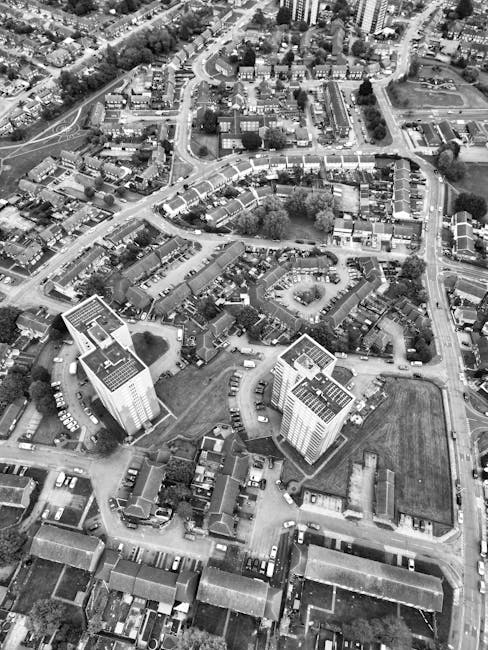
Moving Flats on Collier Row Estate to Chase Cross Tips
Posted on 23/05/2026
Moving from Collier Row Estate to Chase Cross may look like a short local hop on paper, but anyone who has done it knows the reality can be a bit more fiddly. Narrow stairwells, awkward parking, last-minute packing, and that one item that seems to have doubled in weight overnight - yes, that happens. This guide brings together practical Moving Flats on Collier Row Estate to Chase Cross Tips so you can plan the move properly, reduce stress, and avoid the usual "we'll sort it later" traps that tend to turn into expensive delays.
Whether you are leaving a first-floor flat, moving into a smaller place, or simply trying to get everything across Chase Cross without damage, the key is preparation. The good news? A smooth flat move is absolutely possible with the right order of work, sensible packing, and a realistic plan for heavy furniture, access, and timing. And if you want more background on moving safely and efficiently, it can help to read efficient tips for stress-free house moving alongside this guide.

Why Moving Flats on Collier Row Estate to Chase Cross Tips Matters
A flat move is never just about getting boxes from one postcode to another. It is about access, timing, protecting belongings, and keeping the day under control when the staircase is cramped and the lift is too small for the sofa. Between Collier Row Estate and Chase Cross, many moves are local enough to feel simple, but local moves can still go sideways fast if the basics are ignored.
This matters even more in flat-to-flat moves because flats usually have shared entrances, neighbours, parking restrictions, and tighter hallways. One badly planned unloading slot can affect the entire day. To be fair, that is where many people get caught out. They spend ages on packing the "big stuff" and then discover they have no plan for keys, loading points, or the old chest of drawers that does not fit through the landing corner. Bit of a nightmare, really.
Good moving tips are valuable because they help you:
- save time on moving day
- reduce the risk of damage to furniture and flooring
- make parking and access easier to manage
- keep fragile items safe in transit
- avoid lifting injuries and last-minute panic
If your move involves bigger pieces, it is worth looking at furniture removals in Chase Cross and the practical advice in how to successfully move your bed and mattress. Those two areas alone tend to cause more stress than people expect.
How Moving Flats on Collier Row Estate to Chase Cross Tips Works
At a practical level, this type of move works best when you treat it as a sequence, not a single event. First you assess what you are moving. Then you reduce clutter, gather packing supplies, confirm access, and split the day into stages: packing, loading, travel, unloading, and final checks. Simple. Not always easy, but simple.
The reason this works is that flat moves often depend on small details. If the van cannot park close enough, you lose time. If your boxes are weak, you lose items. If your mattress or freezer is left till the last minute, you lose patience. A good moving plan gives each item a home before the move begins.
In practice, moving from Collier Row Estate to Chase Cross often means:
- walking the route from flat to parking area in your head before the move
- deciding which furniture must be dismantled
- labeling boxes by room and priority
- setting aside essentials for the first 24 hours
- booking the right vehicle or removals support for the size of the job
For packaging, our own experience says the move gets dramatically easier when you use solid materials and consistent labelling. If you need a refresher, the guide on professional packing advice for a smooth home relocation is a sensible place to start. And if you need supplies, packing and boxes in Chase Cross can support the preparation side of the move.
Key Benefits and Practical Advantages
People often think the main benefit of organised moving is saving money, but the real advantage is control. A well-planned flat move feels calmer because you know what is happening next. That matters when the morning starts early, the kettle is buried in a box somewhere, and someone is asking where the keys are. Again.
Here are the biggest practical benefits:
- Less damage: good packing and lifting reduce scrapes, chips, and crushed corners.
- Faster loading: sorted boxes and clear furniture decisions keep the van work efficient.
- Easier unpacking: clear labels mean you are not opening every box just to find a phone charger.
- Lower stress: when the plan is clear, the day feels manageable rather than chaotic.
- Safer handling: correct lifting technique matters, especially in stairs-only flats.
There is also a financial side. Fewer mistakes usually means fewer replacement costs, fewer damaged items, and less need for emergency fixes. If you are comparing your options, a useful first step is to review pricing and quotes so you can understand the likely cost structure before you commit. That way the numbers are not a surprise on moving day, which is always nice.
For people downsizing or relocating with limited time, the right support can also mean less disruption to work, childcare, or daily routines. Let's face it, most people do not have a spare week to recover from a badly handled move.
Who This Is For and When It Makes Sense
This guidance is especially useful if you are:
- moving from a flat on Collier Row Estate to another flat in Chase Cross
- moving into or out of a top-floor property with tight access
- handling a move with limited parking outside either address
- moving alone or with only one or two helpers
- dealing with bulky furniture, white goods, or fragile items
- trying to move on a tight timetable, such as a tenancy handover
It also makes sense for students, first-time renters, and anyone who has discovered that "I can probably do it myself" is a statement that tends to age badly once the washing machine is involved. For smaller loads, a man and van service in Chase Cross or a man with a van in Chase Cross can be a practical middle ground between doing everything yourself and booking a full-scale removals team.
In other words, this is for anyone who wants the move to feel organised rather than improvised. If that sounds like you, you are in the right place.
Step-by-Step Guidance
Below is a straightforward way to approach the move without overcomplicating it. You do not need a military operation. Just a sensible sequence and a bit of discipline.
1. Start with a clear inventory
List what is going, what is being sold, what is being donated, and what is staying with you. You may think you remember everything, but moving day has a strange way of exposing forgotten items in drawers, cupboards, and under beds. If you need help reducing excess before you pack, have a look at how to tackle clutter head-on before moving.
2. Check access at both properties
Measure doors, stair turns, and lifts where possible. Check if there are parking restrictions, gated entries, or loading limitations. A sofa that fits in the old flat may still be a nightmare on the landing corner. That happens more often than people admit.
3. Pack by priority, not by room alone
Room-based packing is helpful, but priority-based packing is better. Keep daily essentials separate: medication, chargers, toiletries, snacks, documents, and a change of clothes. Your "first night" box should not be buried under kitchen pans and a lamp shade. Be kind to yourself here; future-you will be grateful.
4. Prepare heavy and awkward items early
Matresses, wardrobes, freezers, and anything unusually heavy should be handled before the last hour. For weighty items, it is worth understanding safe handling. The article on efficient kinetic lifting is a useful reminder that good body position matters. If you are tempted to lift a large item alone, read heavy object lifting without overdoing it first.
5. Book support for specialist items
Not everything should be a DIY job. Pianos are the obvious example, but large wardrobes, glass tables, and awkward appliances can also become risky fast. If your flat includes a piano, the guide on the dangers of moving a piano alone is worth reading before you make any decision. For dedicated support, see piano removals in Chase Cross.
6. Confirm the moving day flow
Decide who opens the property, who handles keys, where the van parks, and which items go in first. A simple paper note on the table can help more than a dozen vague phone messages. Honestly, that little bit of clarity saves arguments.
7. Clean, check, and hand over
Once the flat is empty, do a final sweep. Check cupboards, the fridge, behind the bed, and the top shelf nobody ever looks at until the end. A clean handover is easier when you have used a proper pre-move cleaning checklist. It is one of those tasks that feels annoying on the day, then oddly satisfying once the keys are handed back.
Expert Tips for Better Results
Small refinements make a big difference in a flat move. You do not need fancy equipment for everything, but you do need a few disciplined habits.
- Use consistent labels. Mark each box with the room, contents, and whether it is fragile. A vague "stuff" label is, frankly, useless.
- Keep weight manageable. Heavy books belong in small boxes, not giant ones. Your back will thank you.
- Protect corners and edges. Flat moves often involve tight turns, so blankets and wrapping matter.
- Strip beds and disassemble furniture early. Beds take longer than expected. They always do.
- Plan for food storage. If you are moving a freezer or fridge, understand how to prepare it before transport. The article on storing your freezer when it is not needed is useful here.
- Keep utilities and admin in mind. Moving is not only physical. It is also meters, bills, internet, keys, and a hundred tiny admin tasks.
A simple local observation: in areas like Chase Cross, timing can matter more than people think, especially if the street is busier at school run time or parking is tight near the property. An early start often feels calmer than trying to squeeze everything into the late afternoon. One good morning can save a whole day of stress.
If you are moving on a tight deadline, you may also want to explore same-day removals in Chase Cross, but only if the access, packing, and inventory are already under control. Otherwise, "same day" can become "same day chaos". Nobody needs that.

Common Mistakes to Avoid
Most moving problems are predictable. That is the good news. The bad news is people still repeat them because they feel small at the time.
- Leaving packing too late: last-minute packing increases damage and confusion.
- Underestimating access issues: stairs, parking, and awkward corners can slow everything down.
- Overfilling boxes: oversized boxes filled with books or crockery are a recipe for trouble.
- Not checking furniture dimensions: if it barely fit in the old place, it may not fit in the new one without dismantling.
- Trying to lift too much alone: this is where many avoidable injuries happen.
- Forgetting essentials: keys, chargers, documents, medication, and kettle supplies should never vanish into the van abyss.
If you want a stronger base layer for the move, some people find it helpful to review broader service options through the services overview and decide what support they actually need, rather than assuming it all has to be one way or another.
And one more thing: do not rely on memory. Moving day memory is terrible. It just is.
Tools, Resources and Recommendations
A good move does not require a warehouse full of gear, but a few tools make the work much easier.
| Tool or Resource | Best Use | Why It Helps |
|---|---|---|
| Sturdy boxes | Books, kitchenware, mixed household items | Reduces breakage and makes stacking safer |
| Bubble wrap and paper | Glass, ornaments, electronics | Adds cushioning during transport |
| Furniture blankets | Wardrobes, tables, sofas | Helps prevent scuffs in tight hallways |
| Trolley or sack truck | Heavy boxes and appliances | Reduces lifting strain |
| Labels and marker pens | All rooms and box categories | Makes unpacking and sorting far easier |
As for support pages and services, the following are genuinely useful depending on your situation:
- removal services in Chase Cross for a general move support option
- flat removals in Chase Cross for apartment-specific moving help
- removal van hire in Chase Cross if you only need transport
- storage in Chase Cross if dates do not line up cleanly
- recycling and sustainability if you are decluttering responsibly
These resources are especially handy if you are balancing a short notice move with limited space. Which, let's face it, is a pretty common London problem.
Law, Compliance, Standards, or Best Practice
For flat moves, the main compliance concerns are usually practical rather than legalistic: safe lifting, responsible access, property care, and fair handling of belongings. You should always follow building rules where they exist, respect shared areas, and avoid blocking fire exits, entrances, or neighbours' access. If your block has lift booking arrangements or loading restrictions, those should be checked in advance.
From a best-practice point of view, reputable removal work should also be supported by clear communication around liability, safety, and terms. If you are comparing providers, it can help to review insurance and safety information, plus the health and safety policy and terms and conditions. These pages do not make moving glamorous, of course, but they do make the process more transparent.
Privacy and payment matter too, especially when you are sharing contact details, booking times, or making deposits online. If that is relevant to your move, you may also want to check payment and security and privacy policy. That is just sensible due diligence.
For service standards and ethical sourcing, you can also review the company's about us page and modern slavery statement. It tells you something about how an organisation thinks about responsibility, not just vans and boxes.
Options, Methods, or Comparison Table
People usually decide between doing the move themselves, using a man and van, or booking a more complete removals service. The right choice depends on the size of the flat, the furniture, the access, and how much stress you are willing to carry. Not all of those are equal, either.
| Option | Best For | Pros | Limitations |
|---|---|---|---|
| DIY move | Very small loads and minimal furniture | Cheaper upfront, flexible timing | More lifting, more risk, more time needed |
| Man and van | Studio and one-bed flats, smaller local moves | Good balance of cost and help | May not suit heavy or complex items alone |
| Flat removals service | Full flat moves with furniture and awkward access | More support, better for larger loads | Usually costs more than simple transport |
If your move involves a lot of furniture, you may get better value from a dedicated house removals Chase Cross team or a more tailored flat service, rather than trying to cobble everything together yourself. And if you are a student moving from a compact flat, student removals in Chase Cross may be the better fit. Different jobs, different shape.
Case Study or Real-World Example
Here is a realistic example. Imagine a one-bedroom flat on Collier Row Estate with a bed frame, mattress, small sofa, two bookcases, kitchen boxes, and a freezer in a utility corner. The new place in Chase Cross has a narrower staircase and limited on-street parking. On the surface, the job looks manageable. In practice, there are three pressure points: access, weight, and timing.
The move goes smoothly when the resident:
- packs books into small boxes instead of one heavy mega-box
- removes shelves and mattress before the van arrives
- confirms parking space and entry instructions the day before
- keeps essential items in a separate overnight bag
- uses proper help for the sofa and freezer rather than forcing it
The difference is noticeable. The move still takes effort, obviously. It is a move. But it avoids the kind of mess where someone is standing in the hallway with a screwdriver, wondering why the bed frame has three mystery bolts left over. That scene is familiar to many people, and not in a fun way.
In situations like this, a more complete support package can be useful, especially if you need removals in Chase Cross with proper planning rather than just transport. Small local moves often go best when someone has already thought through the awkward bits before the van turns up.
Practical Checklist
Use this checklist as a simple final run-through before moving day. It is not fancy, but it works.
- Confirm moving date, time, and access arrangements for both flats
- Measure larger furniture against doors, stairs, and lifts
- Declutter and separate donations, recycling, and disposal items
- Book boxes, tape, wrapping, and labels early
- Pack fragile items with enough cushioning
- Set aside documents, keys, chargers, medication, and snacks
- Dismantle beds and other large furniture in advance if needed
- Drain, defrost, and prepare appliances correctly before transport
- Protect floors, corners, and walls where items may scrape
- Keep a clear plan for loading order and unloading order
- Do a final property sweep before leaving
- Check meters, windows, lights, and cupboards before handover
If you prefer to work from a broader moving plan, this can be paired with the practical notes in stress-free house moving tips. It makes the whole process feel more anchored, which is no bad thing on moving day.
Conclusion
Moving flats on Collier Row Estate to Chase Cross does not have to become a chaotic scramble. With the right preparation, a realistic packing plan, and sensible help for awkward items, the whole process becomes much easier to manage. The biggest wins usually come from small decisions made early: decluttering before packing, checking access, labeling clearly, and not trying to carry a heavy item like a hero in the final ten minutes.
If you treat the move like a series of practical steps instead of one giant task, you will feel the difference almost immediately. And to be fair, that is often what people want most - not perfection, just a move that gets done properly and without drama.
Get a free quote today and see how much you can save.
When you are ready, a calm, well-planned move is very achievable. One box at a time, one decision at a time - that is usually how the best moves happen.