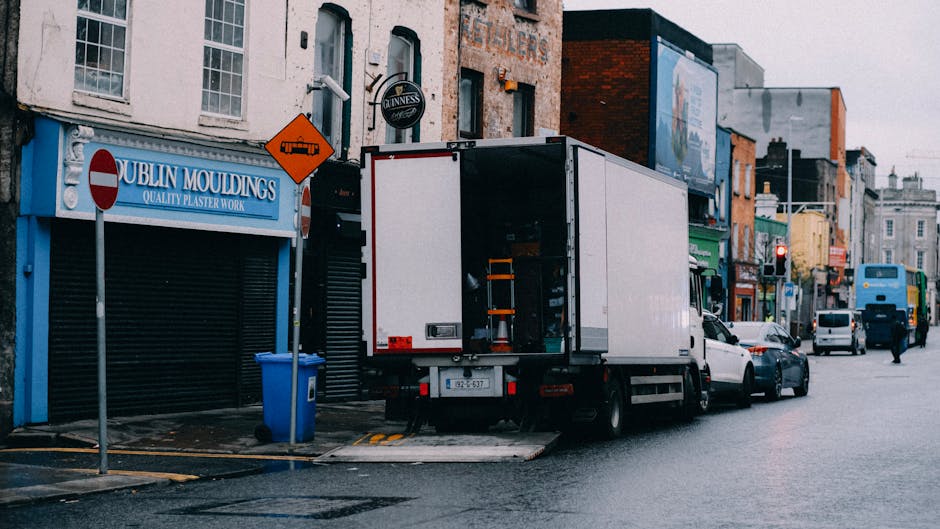
Liability and Insurance for Removals in Chase Cross: A Practical Guide for Safer Moves
Moving day has a way of making even organised people feel a little on edge. Boxes everywhere, a staircase that seems narrower than it did yesterday, and one awkward sofa that looks determined not to fit through the door. That is exactly why Liability and Insurance for Removals in Chase Cross matters. It is not just paperwork in the background; it is the safety net that helps protect your belongings, your property, and your peace of mind if something unexpected happens during a house move, office relocation, or man and van job.
If you are comparing removal companies, checking a removal service, or booking a smaller man and van move, knowing how insurance and liability work can save you from awkward surprises later. In Chase Cross, where access can be tight and everyday moves can still involve bulky furniture, a wet pavement, or a difficult parking spot, the details really do matter. Let's break it down properly, without jargon, and with a bit of real-world practicality.
Why Liability and Insurance for Removals in Chase Cross Matters
Let's face it: most people only think about insurance after something has already gone wrong. A chipped wall. A scratched floor. A box that got damp in transit. Or the classic one, a perfectly fine item that was packed in a hurry and somehow arrives with a broken corner. Liability and insurance help decide who is responsible, what can be claimed, and how fairly a problem is resolved.
For local removals in Chase Cross, this matters because no two jobs are quite the same. A small flat move with stairs and limited parking brings different risks from a full family house move or a commercial relocation. The more awkward the access, the greater the chance of accidental damage. That does not mean trouble is inevitable, of course. It simply means it is wise to know how cover works before the van pulls away.
There is also a trust element. A removal provider that explains its insurance clearly is usually showing you something important: they understand risk, they care about process, and they are willing to be transparent. That is reassuring. In our experience, customers relax noticeably once they know their removal team can explain the difference between public liability, goods in transit cover, and what the customer is expected to pack or declare.
Expert summary: insurance does not remove all risk, but it gives structure to the move. When everyone knows what is covered, what is excluded, and how claims are handled, the whole experience tends to feel calmer and more professional.
If you are still comparing providers, it is worth reviewing the company's own insurance and safety information alongside its about us page. That combination usually tells you more than a sales pitch ever will.
How Liability and Insurance for Removals in Chase Cross Works
In simple terms, removal insurance is there to cover certain losses or damage that happen during the move, subject to the policy terms. Liability is the legal or contractual responsibility a mover may have if they cause loss or damage through negligence or failure to carry out the job with reasonable care.
That sounds formal, but the practical version is easier to grasp. If a mover accidentally damages a doorway while carrying a wardrobe, liability questions come into play. If a box of electronics is dropped because it was badly sealed by the customer, the picture changes. If a sofa is damaged because it was not protected properly, the details of packing and pre-existing condition matter. The claim outcome depends on facts, not guesswork.
There are usually a few layers to think about:
- Public liability - covers third-party injury or damage caused by the business while carrying out the move.
- Goods in transit - covers customer belongings while they are being moved, subject to the policy and exclusions.
- Employers' liability - relevant for staff safety if the company employs people.
- Customer responsibilities - correct packing, accurate listing of fragile or high-value items, and safe access arrangements.
One thing people sometimes miss: cover is not the same as a promise that nothing can go wrong. It is a framework for handling risk fairly. The mover still needs to work carefully, and the customer still needs to give clear information. Truth be told, the best claims are the ones that never happen because everyone prepared properly.
If you are booking a larger move, especially a home relocation or business transfer, you may also want to understand the practical side of the job itself. Pages like home moves and office removals can help you see how the service is structured before you get into the insurance conversation.
Key Benefits and Practical Advantages
Insurance and clear liability terms are not exciting in the way a fresh new home is exciting. But they are quietly valuable. Very valuable, actually.
- Reduced financial stress - if an insurable incident happens, you are not left carrying the full cost alone.
- Clear expectations - everyone knows what the mover is responsible for and what the customer must do.
- Better handling of fragile items - properly insured jobs usually come with better preparation and process.
- Stronger professionalism - companies that explain cover well often work in a more organised way overall.
- More confidence on moving day - when the stairwell is tight and the rain starts, you know there is a process if something goes wrong.
There is also a less obvious benefit: good insurance knowledge helps you compare quotes more fairly. A very cheap price that excludes key protections may not actually be good value. A slightly higher quote from a provider with better cover, better handling of goods, and clearer complaint routes can be the smarter choice. It depends on the move, but that pattern comes up again and again.
For anyone looking at different types of service, it can help to compare broader options such as removals, man with van, and house removals. The risk profile changes with each one.
Who This Is For and When It Makes Sense
Honestly, almost anyone moving property should care about liability and insurance. But some people need to pay closer attention than others.
- Home movers - especially those with furniture, appliances, mirrors, artwork, or family heirlooms.
- Tenants moving in or out - deposit deductions can become a headache if damage is disputed.
- Landlords and letting agents - because property condition matters and responsibilities can be messy if the paperwork is weak.
- Office managers - business equipment, records, and downtime can make even a small incident expensive.
- People using a man and van service - smaller jobs still involve risk, even if the van is only carrying a few items.
- Anyone using packing help - if you choose packing and unpacking services, it becomes even more important to know who packed what and how it was labelled.
A simple rule of thumb: if the item would hurt to replace, repair, or explain to a landlord, ask about cover. That is the point where insurance goes from optional-sounding to genuinely useful.
It also makes sense if you are using specialist equipment, a larger moving van, or a moving truck for heavier loads. Bigger loads tend to create bigger consequences when things go sideways. Not always, but often enough.
Step-by-Step Guidance
If you want a calm move rather than a "hope for the best" move, follow a straightforward process. No drama, no guesswork.
- Ask what insurance is included. Do this before you book, not after. Ask about public liability and goods in transit cover separately if possible.
- Check the exclusions. Some items, packing methods, or situations may not be covered. Fragile items, self-packed boxes, or high-value pieces are common examples.
- Declare valuable or awkward items. Tell the mover about pianos, antiques, large TVs, glass tables, or anything delicate. Surprises are rarely helpful on moving day.
- Take your own photos. Photograph furniture, walls, floors, and item condition before the move. It is a small task that can be very helpful later.
- Label boxes properly. A box marked "books" should not secretly contain a lamp, cables, and three porcelain bowls. It happens more than you'd think.
- Confirm access details. Mention stairs, lifts, parking restrictions, narrow entrances, or long carries. In Chase Cross, a few extra metres from van to front door can matter more than people expect.
- Read the terms. This part is not glamorous, but it is where responsibility and claim process are usually explained.
- Keep paperwork together. Quotes, item lists, payment details, and any special instructions should all be easy to find.
That last step sounds dull. It is dull. But when you need it, you will be glad it exists.
Expert Tips for Better Results
Here is the practical side that often gets missed in generic advice.
First, separate "moving insurance" from "household insurance." They are not the same thing. Your home contents policy may help in some scenarios, but it may not replace the mover's own cover. The details matter, and assumptions can be costly.
Second, protect high-risk items before the crew arrives. If you have a glass shelf, a TV, or a fragile lamp, do not leave it until the last minute. Good wrapping, proper boxes, and honest labelling make a real difference.
Third, pay attention to the mover's process. Do they ask sensible questions about access and inventory? Do they talk through the risks clearly? That usually tells you more than a polished sales line. A company that takes ten seconds to explain the job properly may save you ten hours of stress later.
Fourth, think about the route, not just the room. A move from a quiet street sounds simple until the van has to park awkwardly, the hallway is busy, or it starts raining and everything gets a bit slippery. Insurance is one part of the solution; careful handling is the other.
Fifth, ask for clarity on claims. You want to know how incidents are reported, what evidence is needed, and how quickly issues are typically reviewed. That is not being difficult. That is being prepared.
A small but useful habit: keep one folder, digital or paper, with your quotes, move date, item notes, and contact details. It feels a bit old-fashioned, I know. Still works though.
Common Mistakes to Avoid
Most insurance problems are not caused by one huge failure. They come from a series of small assumptions. That is the annoying part.
- Choosing on price alone. A low quote is attractive, but not if it leaves out the cover you actually need.
- Not declaring fragile items. If the mover does not know about the risk, they cannot plan for it properly.
- Leaving boxes unsealed or badly packed. Insurance is not a magic fix for poor packing.
- Forgetting to check access conditions. Tight staircases and limited parking can create avoidable damage.
- Assuming every item is fully covered. That assumption causes plenty of unpleasant conversations.
- Not reading terms and conditions. Fine print is not fun, but it often contains the useful stuff.
- Failing to photograph belongings beforehand. Without evidence, disputes become harder to resolve.
One customer might think, "it's only a short move across Chase Cross, what could happen?" Then a table leg catches a wall corner, or a box lid opens in the van, and suddenly the short move has a long aftertaste. Not ideal. A bit of preparation usually prevents that.
Tools, Resources and Recommendations
You do not need fancy equipment to make insurance and liability easier to manage. You just need a few sensible tools and a clear head.
- Phone camera - take clear pre-move and post-move photos.
- Simple inventory list - note fragile, valuable, or awkward items.
- Labels and marker pens - especially useful for room-by-room packing.
- Protective wrapping materials - blankets, bubble wrap, cardboard corners, and tape where appropriate.
- Contact details sheet - keep the mover, landlord, and property manager details handy.
- Quote comparison notes - compare like for like, including the insurance wording.
When you are planning the actual move, it can also help to look at the provider's wider support pages. For example, pricing and quotes can help you think about value, while terms and conditions often explain the practical limits of cover and responsibility.
If the job is commercial rather than domestic, commercial moves and office relocation services are worth reviewing because business equipment, files, and timing constraints can change the risk picture quite a bit.
Law, Compliance, Standards, or Best Practice
In the UK, removal businesses are generally expected to operate with suitable insurance and to work with reasonable care. The exact cover needed can vary by business model, vehicle use, staffing, and the type of move being carried out. That is why one company's setup may look different from another's.
For customers, the practical best practice is simple: do not rely on vague reassurance. Ask what is covered, what is excluded, and how claims are handled. If you are a business customer, especially, you should also consider whether your own internal policies or landlord agreements need a higher level of protection or extra documentation.
There is also a strong safety angle. Good moving practice overlaps with good insurance practice. Safe lifting, sensible packing, careful stacking, and proper route planning all reduce the likelihood of a claim in the first place. The company's health and safety policy and payment and security page can also give you a better sense of how seriously they handle day-to-day operations.
To be fair, not every customer wants to wade through policy language. But a quick read now is usually easier than a dispute later. Much easier.
Options, Methods, or Comparison Table
Different moving setups come with different risk profiles. Here is a simple comparison to help you think clearly.
| Move type | Typical risk level | Insurance focus | Best for |
|---|---|---|---|
| Man and van | Lower to moderate | Goods in transit, public liability | Smaller loads, single-room moves, quick local jobs |
| House removals | Moderate to higher | Goods, property protection, access risk | Family homes, full furnishings, longer handling times |
| Office removals | Moderate to higher | Equipment, downtime considerations, third-party damage | Desks, computers, documents, furniture, business continuity |
| Removal van hire with assistance | Variable | Who handles loading, who packs, who is liable | Moves where the customer wants flexibility |
If you are not sure which model fits your situation, think about three things: how much you are moving, how fragile it is, and how much access difficulty there is. That usually points you in the right direction. Not always perfectly, but close enough to make a better decision.
Case Study or Real-World Example
Picture a straightforward Chase Cross house move on a damp Thursday morning. Nothing dramatic. A two-bedroom home, a few heavy boxes, one mirrored wardrobe, and a narrow front path that only really works if everybody walks carefully. The customer had already booked a house movers service and asked about insurance before confirming the date.
That question changed the whole tone of the move. The team knew the wardrobe needed extra protection, the customer had photographed the hallway beforehand, and the fragile boxes were labelled clearly. Midway through, there was a small scrape on a stair edge. Nothing major, but enough to matter. Because the item handling had been discussed in advance and the incident was noted immediately, the situation could be dealt with calmly and properly.
That is the real point. Insurance is not only about paying for damage. It is also about creating a process that keeps a small problem from becoming a big, stressful one. The customer still had a nervous moment, of course - who wouldn't? - but the move stayed manageable because the expectations were clear from the start.
And yes, the kettle was unpacked first. Sensible people know that part matters.
Practical Checklist
Use this before you book, and again the day before the move.
- Confirm what insurance is included in the service price.
- Ask about public liability and goods in transit cover separately.
- Check whether self-packed items are covered.
- List fragile, bulky, or high-value items in writing.
- Photograph items and rooms before loading begins.
- Confirm access details, parking, lifts, stairs, and any time restrictions.
- Read the relevant terms and conditions.
- Keep the mover's contact details ready on moving day.
- Use proper wrapping and labels for vulnerable items.
- Report any issue as soon as it is spotted.
If you are booking a broader moving package, you can also review the provider's removals near me page to understand the local service area and consider whether your job needs extra care because of access, distance, or timing.
Get a free quote today and see how much you can save.
Conclusion
Liability and insurance for removals in Chase Cross is one of those topics that seems technical until you need it. Then it becomes very real, very quickly. The good news is that you do not need to be an expert in policy wording to make a smart decision. You just need to ask clear questions, check the cover, and understand your own responsibilities too.
That is the balanced approach: careful enough to protect yourself, relaxed enough to keep the move moving. When insurance, liability, and practical preparation all line up, the whole day feels less fragile. And on moving day, that peace of mind is worth a lot.
If you are planning a move soon, take a steady approach, compare like for like, and trust the provider that gives you straight answers. A well-handled move can feel surprisingly smooth. Really.
Frequently Asked Questions
What does liability mean in removals?
Liability is the responsibility a removal company may have if it causes damage or loss through negligence or poor handling. It helps determine who should pay if something goes wrong.
Is insurance included with every removal service in Chase Cross?
Not always. Some services include public liability and goods in transit cover, while others may have limits or exclusions. Always ask before booking.
What is goods in transit insurance?
Goods in transit insurance is the cover that may protect your belongings while they are being transported. The exact scope depends on the policy terms, so do not assume every item is automatically covered.
Do I need insurance for a small man and van move?
Yes, it can still be very useful. Even a small move can involve damage risk, especially with heavy items, narrow access, or fragile belongings.
Are self-packed boxes covered?
Sometimes, but not always in the way people expect. If a box is packed poorly or contains undeclared fragile items, a claim may be affected. Check this carefully.
How do I know if a removal company is properly insured?
Ask them directly what insurance they hold, what it covers, and whether they can explain the difference between liability cover and goods cover in plain English.
What should I do if something is damaged during the move?
Report it as soon as possible, take photographs, keep any packaging, and follow the company's claims process. Quick reporting usually helps.
Does liability cover damage to my property as well as my items?
It can, depending on the type of cover. Public liability is often relevant for damage to property or injury to others, while goods in transit is about the items being moved.
Is a cheap quote a bad sign?
Not automatically, but a very low quote should make you ask sharper questions. Check what is included, what is excluded, and whether the price reflects the actual risk.
Should I photograph everything before the move?
Yes, it is one of the simplest and most useful steps you can take. Photos can help show the condition of furniture, walls, floors, and high-value items before the move begins.
What's the difference between public liability and removals insurance?
Public liability usually relates to injury or damage to third parties or property, while removals insurance often refers to cover for items being transported. They are related, but not the same thing.
Where can I check the company's policy details?
You can review the provider's own insurance and safety information and read the terms and conditions before confirming the booking.